
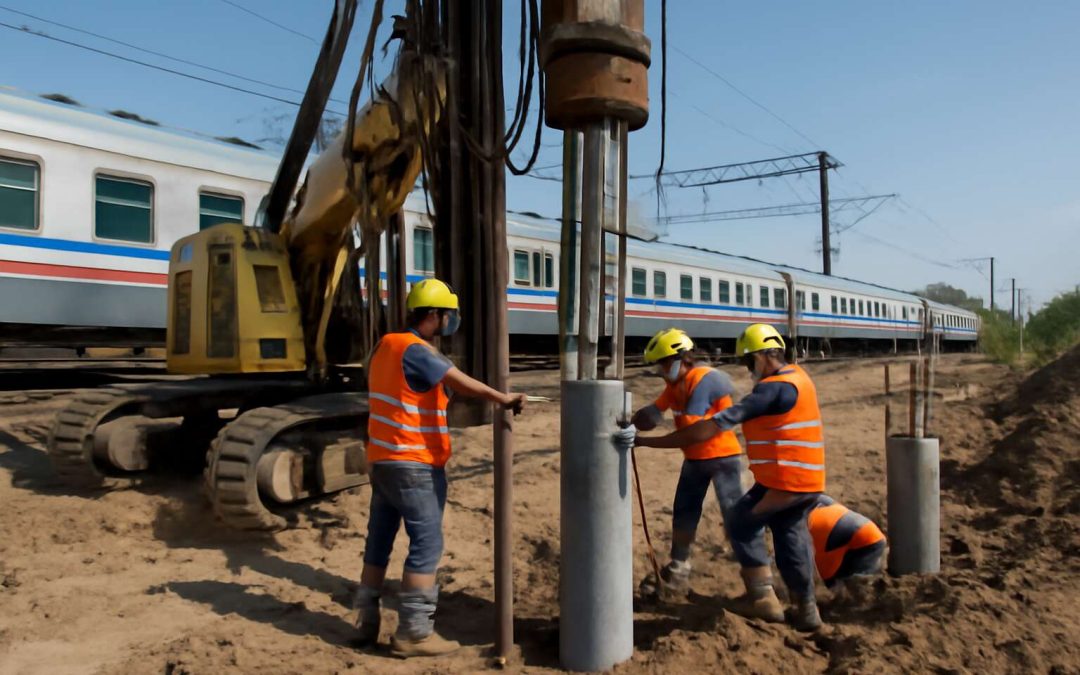
Understanding Piling Near Railway Lines
Overview of Piling in Construction
As urban landscapes expand and infrastructure demands grow, the importance of securing foundations near railway lines becomes increasingly evident. Piling near railway line projects are not just about deep foundations; they embody a delicate balance between engineering precision and environmental stewardship. In South Africa, where rail infrastructure is vital for economic connectivity, understanding the nuances of piling near railway lines is crucial. These structures must withstand the vibrational stresses of passing trains while reinforcing the stability of adjacent structures.
Effective piling in such contexts requires meticulous planning and innovative techniques. Often, contractors employ a combination of driven piles and drilled shafts, tailored to the soil conditions and proximity to active rail tracks. This approach ensures minimal disruption and maximum safety. The challenge lies in navigating the complex underground environment—where water tables, existing utilities, and seismic activity may influence the choice of piling method. Recognizing the unique demands of piling near railway line projects elevates the entire process from mere construction to a testament of resilient engineering.
Importance of Proper Foundation near Railways
In South Africa, the rail network is a backbone of economic activity, carrying over 400 million tonnes of freight annually. With such importance, ensuring the stability of structures near railway lines is vital. Piling near railway line projects must prioritize safety and precision, as vibrations from passing trains can compromise traditional foundations. A poorly executed pile can lead to costly delays and safety hazards.
Proper foundation design near railways involves understanding soil behavior and dynamic stresses. Innovative techniques—such as using driven piles or drilled shafts—are often employed to minimize disruption and ensure resilience. Recognizing the specific demands of piling near railway line sites means considering factors like water tables, existing utilities, and seismic activity. These elements influence the choice of piling method, making expert planning essential. When done correctly, piling near railway line projects not only secures infrastructure but also upholds the safety and efficiency of South Africa’s vital rail network.
Challenges of Piling Close to Railway Infrastructure
Standing just a few meters from the rhythmic pulse of passing trains, the challenge of piling near railway line is as intricate as a masterful dance. The vibrations generated by the relentless chug of locomotives can ripple through the earth, threatening to undermine even the sturdiest foundations. This dynamic environment demands a delicate balance of engineering ingenuity and precise execution, transforming what seems like a straightforward task into an act of strategic artistry.
One of the most perplexing obstacles in piling near railway line is managing the impact of ground vibrations. These forces can compromise the integrity of traditional piling methods, causing shifts or even failures if not carefully mitigated. To navigate this, specialists often employ innovative techniques such as using driven piles with vibration dampening features or opting for drilled shafts designed to withstand dynamic stresses. Recognizing the subtle nuances of soil behavior under these conditions is essential, and expert planning becomes the cornerstone of success.
Moreover, the proximity to active rail infrastructure introduces additional concerns—water tables, existing utilities, and seismic activity all influence the choice of piling method. A well-designed approach considers these factors, ensuring minimal disruption while maintaining safety standards. The artistry of piling near railway line is a testament to the engineer’s ability to harmonize the relentless forces of movement with unwavering structural resilience.
- Assessing soil stability and vibration impact
- Selecting appropriate piling techniques
- Implementing vibration mitigation measures
Every pile driven close to railway infrastructure must be tailored to withstand the unique stresses imposed by frequent train passage, transforming a potential hazard into a foundation of strength and reliability. The art of piling near railway line is indeed a fascinating blend of science and craftsmanship, vital to South Africa’s bustling rail network.
Types of Piling Suitable for Railway Proximity
Bored Piles
When it comes to piling near railway line, selecting the right type of foundation is nothing short of alchemy. The delicate balance between strength and minimal disruption calls for specialized solutions. Among these, bored piles stand out as a beacon of reliability, offering the precision necessary to navigate the complex subterranean labyrinth beneath busy rail corridors. Their ability to be installed with minimal vibration ensures that the rhythmic cadence of trains remains undisturbed, preserving the harmony of the railway ecosystem.
These piles are often crafted through a process of drilling deep into the earth, then filling the cavity with reinforced concrete, creating a robust pillar that anchors structures securely. The versatility of bored piles makes them especially suitable for projects near railway infrastructure, where space is constrained and safety paramount. Their adaptability means they can be tailored to resist the dynamic forces exerted by passing trains and fluctuating ground conditions.
In the realm of piling near railway line, understanding the nuances of pile types is essential. For instance, when soil conditions are less predictable, using a combination of driven and cast-in-situ piles can provide an extra layer of security. Yet, for the most demanding environments, the construction of bored piles remains the gold standard—delivering both durability and peace of mind amidst the railway’s ceaseless march forward.
Driven Piles
When it comes to piling near railway line, choosing the right method is akin to orchestrating a symphony—every note must be precise, harmonious, and unobtrusive. Driven piles emerge as a compelling choice, their formidable presence rooted in simplicity yet capable of delivering extraordinary stability. These piles are driven deep into the ground using a hydraulic hammer, piercing through layers of soil and sediment with relentless purpose. Their rapid installation and proven strength make them a favorite for projects where time is of the essence and safety cannot be compromised.
In the realm of piling near railway line, driven piles offer an elegant solution to complex challenges. They can be crafted from various materials, including steel and prestressed concrete, each bringing unique advantages. Here’s a glimpse into their versatility:
- Steel driven piles, renowned for their tensile strength and durability, are perfect for high-load applications near busy rail corridors.
- Precast concrete piles, with their preciseness and resistance to corrosion, provide a steadfast foundation under fluctuating ground conditions.
Choosing between these options hinges on site-specific factors, yet driven piles remain a stalwart choice—robust, reliable, and minimally disruptive. Their ability to withstand the dynamic forces exerted by passing trains while maintaining structural integrity makes them indispensable for piling near railway line, ensuring safety and stability in equal measure.
Sheet Piles
When it comes to piling near railway line, selecting the appropriate type of pile is crucial to ensure both safety and structural integrity. The dynamic environment created by passing trains demands solutions that can withstand constant vibrations and shifting loads. Among the most effective options are sheet piles, which act as a resilient barrier, reinforcing the surrounding ground and preventing soil displacement.
Sheet piles are particularly advantageous for projects where space is limited or where rapid installation is essential. Their interlocking design provides a watertight barrier, ideal for maintaining stability close to active rail tracks. These piles are often crafted from steel, offering impressive tensile strength, or from reinforced concrete for added durability in variable ground conditions.
- Steel sheet piles, renowned for their flexibility and strength, are perfect for temporary or permanent structures near railway lines.
- Precast concrete sheet piles, which offer corrosion resistance and a longer lifespan, are suited for more demanding environments.
In the realm of piling near railway line, sheet piles serve as a versatile and reliable choice. Their ability to conform to complex site layouts while providing a robust barrier makes them a vital component of modern railway infrastructure projects. When safety, speed, and durability are paramount, sheet piles stand ready to meet the challenge with unwavering strength and precision.
Micro piles
When considering the intricate dance of stability and adaptability in pile design near railway lines, one cannot overlook the nuanced suitability of micro piles. These slender but mighty elements are a testament to engineering innovation, especially in environments where space is at a premium or ground conditions are particularly challenging. Micro piles excel in offering targeted reinforcement, subtly integrating into existing infrastructure without compromising operational safety.
For projects nestled close to railway infrastructure, micro piles provide a discreet yet formidable solution. Their ability to be installed with minimal disturbance makes them especially attractive when vibration control is paramount. In the realm of piling near railway line, these tiny titans often serve as the backbone for complex remedial work or underpinning, balancing the delicate equilibrium of ground and structure. A typical approach involves the use of high-strength grout and precision drilling, ensuring each micro pile’s load-bearing capacity aligns with the demanding standards of rail safety.
Given the spectrum of challenges unique to railway proximity, here are some of the most suitable options:
- Micro piles with reinforced steel cores for enhanced tensile strength
- Precast concrete micro piles for durability against variable ground conditions
- Fiberglass-reinforced micro piles for corrosion resistance in moisture-prone areas
These solutions exemplify the intricate balance of resilience and finesse necessary for piling near railway line, where the stakes are high, and precision is everything. The subtlety of micro piles hides a formidable capacity to withstand shifting loads and vibrations—an essential trait when safety and durability are non-negotiable priorities.
Factors Influencing Piling Design and Installation
Geotechnical Considerations
When it comes to piling near railway line, the stakes are higher than a giraffe’s eye level. The delicate dance of balancing structural integrity with minimal disruption demands a nuanced understanding of geotechnical considerations. South Africa’s varied soil profiles—ranging from sandy coastal plains to clay-rich inland terrains—play a pivotal role in shaping piling design. It’s not just about sinking a pile; it’s about ensuring that each foundation can withstand dynamic loads and shifting ground conditions without causing a ruckus on the tracks.
Factors influencing piling near railway line extend beyond mere soil type. The proximity to active rail infrastructure requires careful assessment of vibration impact, settlement potential, and ground stability. For instance, selecting the appropriate pile type—be it bored, driven, or micro piles—depends heavily on these geotechnical insights. An overlooked detail could lead to costly delays or, worse, a derailment of plans both literally and figuratively.
In essence, a successful piling project near railway line hinges on meticulous geotechnical evaluation, understanding soil-structure interaction, and a touch of engineering finesse. After all, when lives and livelihoods are on the line, precision becomes paramount—a lesson that never gets old in the world of railway construction and piling projects in South Africa.
Vibration Control and Noise Mitigation
When it comes to piling near railway line, controlling vibration and noise is not merely a technical concern—it’s a matter of safeguarding safety and maintaining operational harmony. Vibrations from pile driving can ripple through the ground, potentially destabilizing nearby infrastructure or causing discomfort to residents. This is where innovative vibration control techniques become crucial, ensuring the integrity of the railway while allowing construction to proceed smoothly.
Effective noise mitigation strategies are equally vital in such sensitive environments. Employing methods like acoustic barriers, rubber isolators, and low-impact pile driving equipment can significantly reduce noise pollution. In South Africa’s bustling urban and semi-urban landscapes, these measures are not just desirable—they are essential to mitigating community disruption and avoiding project delays.
Furthermore, selecting the right pile type and installation method is influenced by these factors. For instance, micro piles might be preferred in densely populated areas because they generate less vibration than traditional driven piles. Understanding these nuances underscores the importance of a tailored approach to piling near railway line, where every decibel and vibration counts. After all, engineering solutions should harmonize with the environment, not clash with it.
Environmental Impact
Environmental impact isn’t just a buzzword; it’s the backbone of sustainable construction, especially when it comes to piling near railway line. Every pile driven or drilled in close proximity to rail infrastructure has the potential to ripple through the environment—literally and figuratively. The key? Designing with care, considering factors like soil stability, groundwater conditions, and existing ecosystems. These elements influence not only the choice of piling method but also how intrusive or discreet the operation needs to be.
Choosing the right piling technique can make all the difference. For instance, micro piles are often favored in sensitive areas—they generate less vibration and reduce environmental disturbance. Additionally, employing environmentally friendly materials and construction methods, such as low-impact pile driving equipment, helps safeguard the surrounding habitat. Remember, when piling near railway line, every decision impacts both operational safety and ecological harmony. So, understanding these environmental factors isn’t just good practice; it’s essential for a project that aims to stand the test of time—and scrutiny!
Proximity to Existing Railway Structures
When it comes to piling near railway line, the proximity to existing infrastructure demands careful navigation through a labyrinth of technical and environmental considerations. The delicate dance of designing and installing piles in such areas hinges on understanding the unique soil conditions, the stability of the surrounding ground, and the ever-present risk of disrupting the operational integrity of the railway. In these scenarios, the influence of proximity to railway structures is profound, shaping everything from the choice of piling method to the deployment of vibration control techniques.
Factors such as the distance from tracks, the type of railway infrastructure, and the underground tunnel or foundation systems all play pivotal roles in shaping the piling strategy. For example, pile installation near railway line often requires a tailored approach, blending innovative solutions like micro piles with traditional methods, to minimize disturbance. Often, advanced geotechnical assessments inform these decisions, ensuring the stability of both the new construction and the existing rail network.
- Assessing soil stability and groundwater conditions
- Evaluating the structural complexity of nearby railway assets
- Implementing vibration mitigation measures to prevent track disruption
Ultimately, every decision in piling near railway line is a balancing act—aiming to uphold safety, protect the environment, and maintain the seamless flow of rail traffic. As such, understanding the influence of proximity to existing railway structures is fundamental to crafting a resilient foundation that stands the test of time and technological evolution.
Environmental and Safety Considerations
Impact on Railway Operations
When constructing piling near railway line, environmental and safety considerations become paramount. The delicate balance between infrastructure development and ecological preservation demands meticulous planning. Vibrations caused by piling activities can inadvertently disturb local wildlife and underground water flows, leading to unforeseen ecological consequences. In South Africa’s rich biodiversity zones, this impact is even more pronounced, requiring innovative mitigation strategies.
Safety measures must also prioritize the integrity of the railway itself. Any misstep during piling near railway line could compromise track stability, risking derailments or service interruptions. Therefore, precise execution of vibration control and noise mitigation techniques is essential to prevent disruptions. Implementing strict monitoring protocols not only safeguards railway operations but ensures the surrounding environment remains unharmed during construction activities.
To navigate these complex challenges, a comprehensive approach is often adopted, incorporating environmental impact assessments and advanced geotechnical analysis. This ensures that piling near railway line proceeds smoothly—protecting both the operational safety of the railway and the vitality of the local ecosystem. It’s a balancing act that demands expertise, vigilance, and a deep respect for the natural world’s delicate harmony.
Vibration and Noise Management
When undertaking piling near railway line, managing vibrations and noise is not just about comfort — it’s about safety and ecological integrity. Vibrations generated during piling activities can travel significant distances, potentially disturbing underground water flows and harming nearby wildlife habitats. In South Africa’s biodiversity hotspots, this impact demands innovative mitigation strategies to protect delicate ecosystems.
Effective vibration control and noise mitigation are essential to prevent disruptions to railway operations. Techniques such as using vibration-dampening mats, low-noise piling methods, and real-time monitoring help ensure that construction activities remain within safe limits. Implementing a layered approach, which includes environmental impact assessments, guarantees that the project proceeds smoothly without compromising safety or ecological balance.
- Advanced geotechnical analysis informs the choice of pile type and installation method.
- Strict monitoring protocols track vibrations and noise levels throughout construction.
- Close coordination with environmental authorities ensures compliance with local conservation laws.
Ultimately, piling near railway line requires a careful balance—protecting both the operational safety of the railway and the surrounding environment. When managed thoughtfully, it’s possible to achieve infrastructure development that respects South Africa’s rich natural heritage while maintaining railway safety and efficiency.
Eco-friendly Piling Practices
In the lush tapestry of South Africa’s natural heritage, every act of construction near railway line demands a delicate dance—an intricate balance of progress and preservation. Eco-friendly piling practices are not merely a trend but a moral imperative, embracing nature’s quiet resilience while bolstering infrastructure. When piling near railway line, the choice of sustainable materials and innovative methods can significantly diminish ecological footprints, ensuring that progress does not come at the expense of our precious ecosystems.
Advanced techniques such as using low-impact driven piles and employing biodegradable lubricants reduce vibrations and environmental disturbance. Moreover, environmental monitoring protocols meticulously track the ecological ripple effects, safeguarding water sources and wildlife habitats from unseen harm. Here, a layered approach—integrating environmental impact assessments with cutting-edge piling innovations—becomes essential to uphold South Africa’s rich biodiversity.
- Prioritize the use of environmentally responsible materials.
- Implement vibration-dampening technologies to protect underground water flows.
- Maintain strict adherence to local conservation laws through close coordination with environmental authorities.
Indeed, piling near railway line is a symphony of safety and sustainability, where each note played in harmony preserves the land’s natural splendor while paving the way for progress. When approached with reverence and foresight, this synergy nurtures a future where infrastructure and ecology evolve side by side, resilient and intertwined like the roots of ancient trees.
Regulations and Safety Standards
In the shadowed corridors of progress, where steel meets earth and silent witnesses—our railway lines—stand as arteries of commerce and connection, the importance of adhering to environmental and safety regulations cannot be overstated. When undertaking piling near railway line, every decision must be tempered with vigilance, respecting both the laws that shield our ecosystems and the standards that safeguard human life. South Africa’s rigorous regulatory framework mandates meticulous planning and execution, ensuring that the relentless march of development does not trample the fragile harmony of nature.
Safety standards serve as a fortress against unforeseen calamities—vibrations that could imperil railway integrity or environmental transgressions that threaten water sources and wildlife. To navigate this treacherous landscape, adherence involves a layered approach: compliance with local conservation laws, continuous environmental monitoring, and the employment of innovative, eco-conscious piling methods. An ordered list of key considerations might include:
- Securing permits and approvals from environmental authorities
- Implementing vibration-dampening technologies to protect surrounding infrastructure
- Conducting comprehensive impact assessments before groundbreaking
In this dance of steel and soil, vigilance becomes an act of reverence—an acknowledgment that each pile driven near railway line echoes through the unseen veins of the land. When safety and environmental considerations intertwine seamlessly, the result is a symphony of resilience—where progress does not consume the very ground it relies upon, but rather honors and preserves it with solemn grace. The shadows lengthen, but with steadfast adherence to regulations, the future remains a shadow of hope and unwavering commitment.
Best Practices for Piling Near Railway Lines
Pre-construction Site Assessment
When it comes to piling near railway line, thorough pre-construction site assessment is non-negotiable. South Africa’s railway infrastructure demands precision and care to prevent disruptions and ensure safety. Before piling begins, a detailed geotechnical investigation helps identify soil conditions and potential vulnerabilities that could affect pile stability. This step is crucial for designing a reliable foundation that can withstand dynamic loads.
Understanding the proximity to existing railway structures is also vital. Close quarters can amplify risks like vibrations and settlement. It’s essential to evaluate the impact on railway operations and implement vibration control measures to prevent service interruptions. For piling near railway line, employing temporarily halted train schedules or vibration monitoring systems can mitigate operational risks. Safety standards and regulations must be strictly adhered to, ensuring both construction integrity and ongoing railway safety. A comprehensive site assessment sets the foundation for successful piling projects that respect the delicate balance between infrastructure development and operational continuity.
Choosing the Right Piling Method
When considering piling near railway line, selecting the optimal method is more than a technical decision—it’s a delicate dance with an intricate ecosystem of safety, stability, and operational harmony. The right choice can transform a potentially disruptive project into a seamless integration of progress and preservation.
Among the most effective approaches are bored piles and driven piles, each offering distinct advantages tailored to the unique challenges posed by proximity to rail infrastructure. Bored piles, with their minimal vibration footprint, are ideal for sensitive environments where vibrations could jeopardize existing railway operations. Driven piles, on the other hand, provide rapid installation and high load capacity, making them suitable for projects demanding swift completion without compromising safety standards.
In the realm of piling near railway line, the decision often hinges on specific site conditions and the anticipated load requirements. Employing a combination of these methods—guided by geotechnical insights—ensures that foundation stability is achieved while maintaining the integrity of nearby railway systems. By meticulously matching the piling method to the site’s unique characteristics, engineers can uphold operational safety and foster sustainable development. After all, every pile driven or bored is a testament to the artistry of engineering—balancing progress with the respect for the delicate railway ecosystem that keeps South Africa moving forward.
Minimizing Disruption during Construction
Minimizing disruption during piling near railway line requires a careful orchestration of precision and sensitivity. Every thud and vibration can ripple through the delicate ecosystem of the railway, threatening safety and operational flow. To navigate these challenges, adopting best practices in vibration control and noise mitigation is paramount, ensuring that construction remains as unobtrusive as possible.
One effective approach is the use of innovative machinery that reduces noise levels and vibrations, such as silent hydraulic hammers or pre-drilling techniques. These methods help preserve the integrity of the railway infrastructure while allowing work to proceed seamlessly. Additionally, scheduling piling activities during off-peak hours can significantly diminish the impact on train schedules and passenger comfort.
Engaging in thorough pre-construction site assessments and maintaining open communication with railway authorities form the backbone of a successful project. A well-coordinated sequence of operations—guided by detailed planning and adherence to safety standards—ensures that piling near railway line proceeds smoothly without compromising safety. After all, progress should never come at the expense of the railway ecosystem that keeps South Africa moving forward!
Quality Control and Inspection
Ensuring impeccable quality control and rigorous inspection are cornerstones of successful piling near railway line projects. Every pile installed must meet exacting standards, as even the slightest deviation can ripple through the railway infrastructure, risking safety and operational efficiency. To uphold these standards, implementing a comprehensive inspection regime—incorporating both visual assessments and advanced testing methods—is essential.
Innovative quality assurance practices include using state-of-the-art geotechnical sensors and real-time monitoring systems. These tools provide instant feedback on pile integrity, vibration levels, and alignment, enabling prompt corrective action. A meticulous inspection process not only safeguards the railway ecosystem but also enhances project longevity and reliability.
Incorporating a layered approach—such as:
- Pre-pile geotechnical analysis
- Continuous vibration monitoring
- Post-installation load testing
ensures every stage of piling near railway line upholds safety standards. These practices are vital in maintaining the harmony between construction progress and railway operations, ultimately fostering a resilient foundation for South Africa’s transportation future.
Innovative Technologies and Methods
Vibration Monitoring Systems
Innovative vibration monitoring systems are transforming how construction teams approach piling near railway lines. These advanced technologies provide real-time insights into ground vibrations, ensuring that piling activities do not compromise nearby railway infrastructure. As South Africa continues to expand its rail network, managing the impact of piling near railway lines becomes more critical than ever.
Modern vibration monitoring systems use sensitive sensors and data analytics to detect even subtle shifts caused by piling operations. This proactive approach allows engineers to adjust their methods instantly, minimizing disruption and safeguarding railway operations. Some systems incorporate wireless technology for easier installation and continuous data transmission, making it easier to manage piling projects with precision and accountability.
Incorporating these cutting-edge vibration control measures not only enhances safety but also supports eco-friendly piling practices. When combined with noise mitigation strategies, these innovations form a comprehensive solution that respects both the environment and the existing transportation infrastructure. As the demand for reliable, sustainable construction grows, so does the importance of adopting innovative vibration monitoring systems for piling near railway lines in South Africa.
Resonance Control Techniques
In the shadowed realm of construction, resonance control techniques emerge as the silent guardians of stability. When piling near railway line, the delicate balance between progress and preservation hinges on these innovative methods. They employ sophisticated vibration suppression methods that dampen disruptive energies before they ripple through the ground, threatening the fragile harmony of existing infrastructure.
One such technique involves the use of tuned mass dampers—devices designed to absorb and dissipate vibrational energy, effectively whispering away the tremors before they become destructive. As the earth hums with the vibrations of piling activities, these resonance control measures serve as a shield, ensuring that the mechanical dance does not disturb the clandestine symphony of railway operations.
Furthermore, modern approaches include the strategic sequencing of piling activities, allowing the ground to relax and settle between operations. This method minimizes cumulative vibrational impact and preserves the integrity of railway tracks and signals. For those seeking a more refined touch, advanced numerical modeling predicts vibrational behavior, guiding engineers to tailor their techniques with almost supernatural precision.
In essence, resonance control techniques for piling near railway line are not mere tools—they are the unseen custodians of safety and serenity amidst the chaos of construction. As the demand for resilient infrastructure escalates in South Africa, these methods stand at the forefront, weaving a tapestry of innovation that silently safeguards our vital rail corridors.
Advanced Drilling and Installation Tools
In the realm of modern construction, where innovation dances with precision, advanced drilling and installation tools elevate the craft of piling near railway line to an art form. These technological marvels unlock the potential for seamless integration, allowing engineers to forge robust foundations without disturbing the delicate symphony of nearby rail networks. The advent of hydraulic rigs and automated drilling systems offers unparalleled accuracy, reducing the risk of vibration and noise that could ripple through the fragile infrastructure.
To further enhance efficiency and minimize disruption, pioneering methods incorporate real-time data collection and adaptive control systems. These innovations enable operators to respond dynamically to geotechnical changes, ensuring the integrity of each pile while safeguarding adjacent railway structures. When precision meets sophistication, the result is a harmonious balance—groundbreaking tools that transform the challenge of piling near railway line into a showcase of engineering finesse.
Incorporating such cutting-edge technology not only accelerates project timelines but also elevates safety standards. From modular drill rigs to vibration-dampening augers, these advanced tools redefine what is possible in the shadowed corridors of railway construction. As South Africa’s rail network expands and modernizes, embracing innovative technologies for piling near railway line becomes not just a choice, but a necessity for resilient, future-proof infrastructure.
Sustainable Piling Solutions
Emerging technologies in the realm of sustainable piling solutions are revolutionizing the way we approach construction near railway lines in South Africa. These innovations are not merely about efficiency—they embody a commitment to safeguarding vital infrastructure while embracing environmental responsibility. Advanced methods harness cutting-edge systems that blend seamlessly with the existing landscape, reducing ecological footprints and ensuring long-term resilience.
One remarkable trend is the deployment of eco-friendly piling practices that utilize biodegradable lubricants and recycled materials. These approaches minimize soil disturbance and protect groundwater quality, ultimately supporting sustainable development goals. Moreover, the integration of real-time monitoring technologies allows engineers to detect subtle shifts in soil behavior or structural integrity, enabling adaptive responses that keep vibration levels and noise emissions in check.
To illustrate the power of innovation in this field, consider the following:
- Automation-driven drilling systems that precisely control the depth and alignment of piles, significantly reducing construction time and environmental impact.
- Resonance control techniques designed specifically to mitigate vibrations that could affect nearby railway operations, ensuring uninterrupted train services.
- Vibration-dampening augers and modular drill rigs that provide stability during piling near railway line, all while maintaining the delicate balance of the surrounding ecosystem.
Such technological marvels are reshaping how piling near railway line is executed across South Africa, transforming what was once a logistical challenge into a showcase of engineering ingenuity. These innovative methods are not just solutions—they are a testament to the artistry of modern construction, where safety, sustainability, and precision converge in harmony.
Case Studies and Real-World Examples
Successful Railway Piling Projects
In the world of railway infrastructure, successful piling near railway line projects often become legendary tales of engineering ingenuity. One standout example is the Gautrain Rapid Transit system in South Africa, where meticulous planning and innovative piling techniques overcame the challenge of limited space and sensitive surroundings. The project’s success hinged on employing vibration control and noise mitigation strategies that preserved the integrity of nearby rail operations while ensuring the safety of workers and the environment.
Another compelling case involved a busy freight corridor near Johannesburg, where environmentally conscious piling solutions were essential. The use of micro piles and eco-friendly practices minimized disruption to both the railway and the surrounding community. These projects exemplify the importance of choosing the right piling method—be it driven piles or bored piles—to balance structural stability with operational continuity. By integrating advanced geotechnical assessments and real-world experience, engineers delivered resilient foundations that stood the test of time and traffic.
Lessons Learned from Past Projects
Real-world examples of piling near railway line projects reveal vital lessons for future construction. One notable case is the Gautrain Rapid Transit system in South Africa, where innovative piling techniques bridged the gap between tight space constraints and sensitive surroundings. The project demonstrated that vibration control and noise mitigation are essential to maintaining railway operations while safeguarding workers and the environment.
Similarly, a busy freight corridor near Johannesburg faced unique challenges. Employing eco-friendly piling practices with micro piles minimized disruption and upheld environmental standards. These projects highlight the importance of selecting appropriate piling methods—whether driven or bored piles—to ensure both structural stability and operational continuity.
- Meticulous geotechnical assessment
- Advanced vibration monitoring
- Eco-conscious installation techniques
Lessons learned emphasize that understanding the intricacies of piling near railway line construction is key to resilient, long-lasting foundations that stand firm amidst heavy traffic and dynamic conditions.
Innovative Piling Solutions Implemented
In South Africa’s bustling railway corridors, innovative piling near railway line projects have pushed the boundaries of engineering ingenuity. One striking example is the Gautrain Rapid Transit system, where micro piles and advanced vibration control techniques transformed a complex challenge into a triumph. These solutions not only ensured structural stability but also preserved the seamless operation of the railway, demonstrating that precision and sensitivity are paramount in such environments.
Another notable case involved a freight corridor near Johannesburg, where eco-friendly piling practices played a pivotal role. Employing bored piles with minimized environmental impact allowed for a resilient foundation without disrupting the heavy rail traffic above. Such projects underline the importance of selecting the right piling method—be it driven or micro piles—to meet the unique demands of proximity to railway infrastructure. They serve as a testament to how meticulous planning, coupled with cutting-edge technology, can deliver long-lasting results in the face of dynamic, heavy traffic conditions.
Choosing a Piling Contractor near Railway Lines
Expertise and Experience
Choosing a piling contractor near railway lines demands more than just competitive rates. Expertise and experience are paramount when working in such sensitive environments. A seasoned contractor understands the unique geotechnical challenges and regulatory requirements involved in piling near railway line. They have a proven track record of completing projects without disrupting train schedules or compromising safety.
Specialists in this niche employ advanced vibration control and noise mitigation techniques, ensuring minimal disturbance. Their familiarity with local regulations and safety standards guarantees compliance while safeguarding railway operations. When selecting a contractor, look for those who have successfully managed similar projects, demonstrating their ability to adapt and innovate under complex conditions.
Experience in implementing eco-friendly piling practices and sustainable solutions can also make a significant difference. Ultimately, choosing the right piling partner near railway line ensures a sturdy foundation and peace of mind, knowing the project will be executed efficiently and safely.
Compliance with Regulations
In the shadowed corridors where steel meets earth, choosing a piling contractor near railway line is an act of meticulous precision. Compliance with regulations becomes more than a mere obligation—it is an unwavering oath to safeguard the delicate balance between progress and preservation. In South Africa’s bustling transport arteries, the specter of regulatory oversight looms large, demanding unwavering adherence to safety standards that guard both human lives and the iron giants themselves.
To navigate this complex landscape, one must seek contractors who possess an almost supernatural understanding of local legislation and environmental mandates. An unyielding commitment to compliance ensures that every pile driven or drilled near railway infrastructure remains within the sacred boundaries of safety, avoiding catastrophic interference with train schedules or structural integrity. The choice of a contractor who is well-versed in these regulations is not just prudent; it is essential in avoiding the dark abyss of costly delays and safety breaches.
In this realm of shadows and steel, the most discerning clients often favor specialists who employ advanced vibration control and noise mitigation techniques. These methods serve as silent guardians, ensuring minimal disturbance to the railway’s relentless cadence.
- Adherence to environmental standards
- Use of eco-friendly piling practices
- Implementation of resonance control techniques
These elements weave a tapestry of compliance and innovation, forging foundations that honor both the land and the relentless march of progress.
Safety Record
When selecting a piling contractor near railway line, safety record becomes the compass guiding your decision. The railway environment is unforgiving—any lapse in safety practices can lead to catastrophic delays or structural failures. A contractor with a stellar safety record demonstrates unwavering vigilance, proven protocols, and a proactive approach to risk management. These qualities are non-negotiable in the sensitive context of piling near railway line.
Clients should scrutinize the contractor’s history of accident prevention, adherence to safety standards, and incident response strategies. In South Africa’s bustling rail corridors, a reputable contractor employs advanced vibration monitoring systems and resonance control techniques to minimize risks. Moreover, they often incorporate comprehensive safety audits and continuous training programs to stay ahead of potential hazards—ensuring every pile driven or drilled aligns with the highest safety standards.
- Rigorous safety training
- Use of vibration control technology
- Strict adherence to local safety regulations
Ultimately, the right piling near railway line contractor not only safeguards the project’s integrity but also preserves the vital lifelines of South Africa’s transportation network. Their safety record isn’t just a badge of honour—it’s a testament to their commitment to progress without peril.
Client References and Testimonials
When navigating the labyrinthine corridors of South Africa’s rail infrastructure, the echoes of past failures serve as stark reminders: safety isn’t merely a protocol; it’s the very foundation of trust in piling near railway line projects. Within this complex tapestry, client references and testimonials act as the compass, revealing the true character of a contractor long before the first pile is driven into the earth. These testimonials, often overlooked, hold invaluable insights—highlighting not just technical prowess but the integrity and reliability that underpin every successful project.
A reputable piling contractor’s reputation is cemented through stories of meticulous safety adherence, innovative vibration control, and seamless project delivery—elements that resonate deeply in the context of proximity to railway operations. Engaging with previous clients’ experiences unveils the contractor’s ability to balance technical expertise with unwavering safety standards, ensuring that every phase of piling near railway line respects the delicate equilibrium of the transportation network. In an environment where every vibration and noise footprint might ripple into operational disruptions, trusted client feedback becomes a vital metric—affirming that the contractor’s commitment extends beyond mere compliance into a realm of genuine excellence.
