
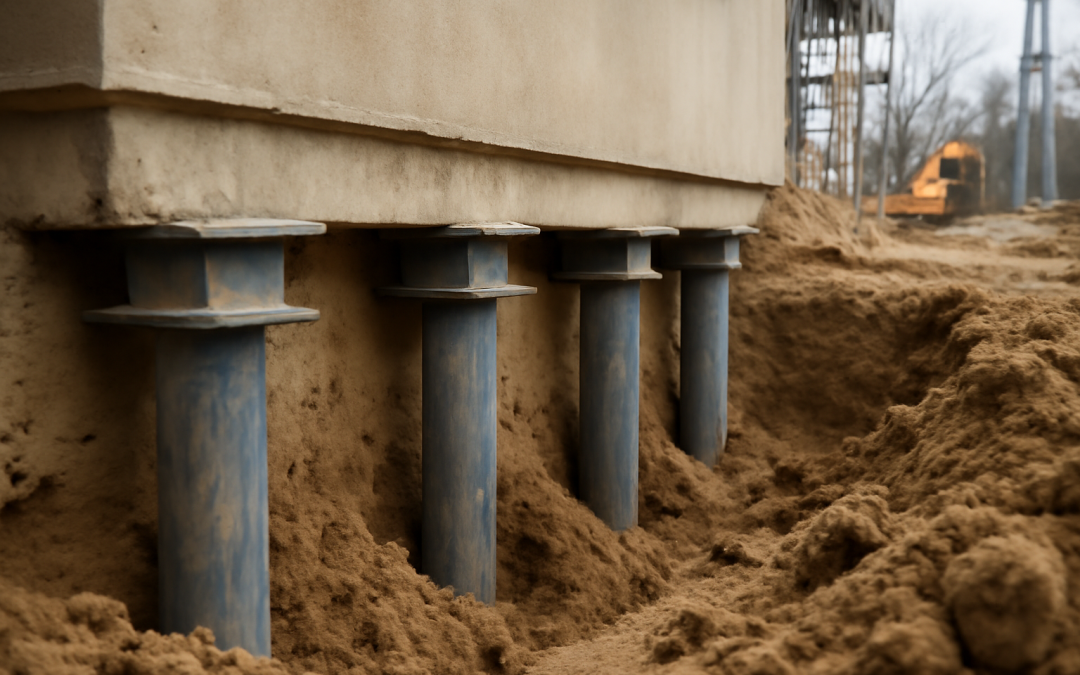
Understanding the Importance of Piling in Basement Construction
What Is Piling and Why Is It Essential?
When it comes to basement construction, the foundation is everything—without it, you’re basically building a house of cards on a windy day. Piling for basement is the unsung hero that ensures your underground space doesn’t turn into a sinking pit. In essence, piling involves driving sturdy, deep-support columns into the ground to stabilize the structure, especially in South Africa’s varied and often unpredictable soil conditions. Without proper piling, even the most luxurious basement can become a nightmare of cracking walls and uneven floors.
Think of piling as the backbone of your basement project—without it, your dreams of a sleek, fully functional space could turn into a costly disaster. It’s particularly essential when soil stability is questionable or in areas prone to seismic activity. Here are a few reasons why piling for basement is an absolute must:
- Provides enhanced load-bearing capacity, preventing future structural failures.
- Mitigates risks associated with soil movement or settlement.
- Ensures long-term durability of the basement, saving money and headaches down the line.
In the end, piling isn’t just an optional step in basement construction; it’s the foundation of peace of mind and structural integrity. Skimping on piling can turn your basement from a cozy retreat into a crack-filled nightmare—so it’s worth investing in the right solution from the start.
Common Types of Piles Used in Basement Projects
Understanding the importance of piling in basement construction reveals a subtle but profound truth: beneath every sturdy underground space lies a foundation of resilience. Piling for basement isn’t merely about driving support columns into the earth; it’s about forging a symbiotic relationship between structure and soil, especially in South Africa’s complex geological landscape.
Different types of piles serve distinct functions, tailored to the unique demands of each project. In many basement constructions,
- concrete piles
- steel piles
- precast piles
are common. Concrete piles are favored for their durability and load-bearing capacity, making them ideal for supporting heavy structures. Steel piles, on the other hand, excel in situations requiring quick installation and flexibility, often used where soil conditions are more unpredictable. Precast piles offer the advantage of rapid deployment and uniform quality, ensuring a reliable foundation.
The choice of pile type hinges on variables like soil stability, load requirements, and project budget, emphasizing why understanding the nuances of piling for basement is crucial for long-term success.
Benefits of Proper Piling for Basement Stability
Beneath the surface of every resilient basement lies a silent promise—an unwavering commitment to stability that often goes unnoticed until it’s too late. Piling for basement construction isn’t just about supporting walls; it’s about forging a resilient bond between the structure and the earth, especially in South Africa’s unpredictable geological terrain. When properly executed, the right piling strategy transforms a fragile underground space into a fortress of safety and longevity.
The true benefit of proper piling for basement is its ability to distribute loads evenly and withstand the relentless forces of nature and time. It’s a silent guardian that ensures your underground space remains secure, preventing subsidence or structural failure. When soil conditions are unpredictable or unstable, the importance of choosing the right pile type becomes even more critical—each pile acting as a moral anchor in the chaos of shifting ground.
In some cases, a strategic combination of different pile types can be employed to optimize stability, especially in South Africa’s diverse geological landscape. This nuanced approach ensures that the basement remains steadfast, safeguarding your investment and peace of mind. Ultimately, the integrity of a basement hinges on the unseen but vital work of piling—an essential element that sustains the very foundation of stability and resilience.
Types of Piling Solutions for Basement Foundations
Concrete Piles
In the shadowed depths of underground realms, where the earth’s secrets whisper and threaten to swallow the unwary, the choice of concrete piles for basement construction becomes a dance with darkness itself. Piling for basement isn’t merely a matter of engineering—it’s an act of defiance against the relentless pull of gravity and the unpredictable nature of South African soil.
Among the myriad options, driven piles stand as silent sentinels, cast iron or steel that pierce through the earth with unyielding resolve. A lesser-known hero in this subterranean saga is the drilled shaft, a monolithic pillar forged with precision and purpose, anchoring the foundation with unwavering strength.
- Cast-in-situ concrete piles
- Precast concrete piles
- Steel and reinforced concrete piles
Each type of piling for basement projects offers a distinct pathway through the subterranean maze, tailored to withstand the capricious moods of the earth and the weight of the structure above. Whether driven by force or cast in place, these piles serve as the backbone of stability—silent guardians against the creeping chaos beneath.
Steel Piles
For those embarking on the journey of constructing a resilient basement, steel piles emerge as a marvel of engineering ingenuity. Their strength and flexibility make them an ideal choice for piling for basement projects, especially in South Africa’s unpredictable soil landscapes. Steel piles act like the backbone of your underground fortress, capable of supporting immense weight while resisting the earth’s relentless pressure.
These piles are often driven deep into the ground, piercing through layers of soft soil and reaching more stable strata. Their rapid installation and high load-bearing capacity make them a favorite among builders seeking both speed and durability. Moreover, steel piles are versatile—they can be pre-fabricated or assembled on-site, adapting to the unique demands of each basement project.
When considering piling for basement, steel solutions like steel H-piles or composite piles are often discussed. They provide a formidable shield against ground movement, ensuring the foundation remains unwavering over decades of service. The choice of steel piles not only enhances the structural integrity but also offers an elegant solution for complex projects where space and precision are paramount.
Timber Piles
Among the myriad options for piling solutions in basement construction, timber piles stand out as an ancient yet enduring choice—woven into the very fabric of foundational stability for centuries. Their natural resilience and flexibility make them particularly suited for certain soil conditions found across South Africa, where the earth’s temperament can shift unpredictably. Timber piles act much like the roots of a mighty tree—anchoring your underground fortress with a gentle yet unwavering grip.
While often overshadowed by steel and concrete, timber piles are celebrated for their eco-friendly profile and ease of installation. They can be especially advantageous for smaller or more delicate basement projects, where precision and adaptability are paramount. The selection of timber for piling for basement projects can include species like hardwoods or treated softwoods, both of which offer durability against moisture and pests. Sometimes, a combination of timber and other piling materials creates a hybrid solution, tailored to withstand South Africa’s unique geological challenges.
In essence, timber piles bring a touch of natural strength and historical gravitas to modern piling for basement construction. Their versatility and environmental friendliness continue to make them a compelling choice—especially when the foundation’s stability depends on a delicate balance of tradition and innovation.
Composite Piles
In the shadowed realm beneath our feet, composite piles emerge as a hybrid marvel—melding the resilience of steel with the natural strength of timber or concrete. These versatile solutions for piling for basement projects offer a dance of durability and adaptability, crafted to withstand South Africa’s capricious geological temperament. Their layered construction allows engineers to tailor foundations that can resist both the creeping dampness and the shifting earth, whispering promises of stability amid chaos.
Unlike singular materials, composite piles are often designed with a strategic sequence—often steel encased in timber or concrete—creating a fortress capable of enduring the relentless passage of time. This layered approach ensures that the piling for basement remains steadfast, even in the face of moisture-laden soils or seismic tremors. In the end, composite piles stand as silent sentinels, bridging the ancient and the modern, safeguarding the subterranean sanctum with a touch of engineered poetry.
Factors to Consider When Choosing Piling for Basement Construction
Soil Conditions and Geological Factors
Choosing the right piling for basement construction isn’t merely a matter of selecting materials—it’s an exploration into the very soul of the land beneath our feet. In South Africa, where soil conditions can vary dramatically from one site to another, understanding the geological fabric is crucial. A deep dive into soil conditions reveals whether the ground is clay, sand, or rock—each demanding a unique approach to piling for basement. Ignoring these nuances risks structural failure, an echo of hubris against nature’s persistent resilience.
Factors such as soil stability, water table levels, and underground geology shape the entire foundation process. For instance, areas with expansive clay require piles that can handle swelling and shrinking, whereas rocky terrains might call for piles that can anchor securely into solid bedrock. To navigate this complex terrain, consider a detailed geotechnical survey. It’s not just about engineering; it’s about respecting the land’s history and inherent strength. Only then can piling for basement be truly tailored, ensuring stability that endures beyond mere construction—an echo of human humility before nature’s collective memory.
Load-Bearing Requirements
When contemplating piling for basement construction, understanding the load-bearing requirements is fundamental—yet often overlooked, it’s the silent whisper of a structure’s future resilience. Every basement, like a delicate dance between earth and architecture, demands a precise assessment of how much weight it must support. In South Africa’s diverse terrains, this becomes a captivating puzzle, where the weight of the building must harmonize with the land’s silent strength.
Factors such as the intended use of the basement, the weight of construction materials, and the potential for future expansion influence the choice of piles. For instance, a basement designed for heavy storage or machinery calls for piles that can bear substantial loads without faltering. In contrast, lighter residential basements might require a different approach, tailored to the subtle nuances of the ground beneath.
To ensure stability, engineers often consider the following aspects when selecting piles for basement projects:
- The expected load capacity of the foundation
- The dynamic impact of seismic or environmental forces
- The soil’s ability to distribute weight evenly across the pile system
Ultimately, the art of choosing the right piling for basement hinges on a nuanced understanding of these load-bearing requirements, transforming raw earth into a steadfast sanctuary beneath our feet. It is an intricate dance—one that respects the land’s silent wisdom while forging a foundation built to endure.
Budget Constraints and Cost Considerations
In the shadowed realm of basement construction, the budget often becomes a silent specter haunting every decision. When choosing piling for basement projects, financial constraints are not merely numbers—they shape the very soul of the foundation. South Africa’s diverse terrains demand a careful dance between cost and stability, where every rand must be spent with precision to avoid future calamities.
Cost considerations extend beyond initial expenditure; they encompass long-term durability and maintenance. It is essential to weigh options such as driven steel piles versus cast-in-situ concrete, each with its own financial and structural implications. An intricate balance must be struck—opting for the most affordable pile might invite unseen vulnerabilities, while overspending could drain resources needed elsewhere.
In scenarios constrained by budget, an assessment of soil conditions and project scope becomes paramount. Sometimes, a strategic combination of pile types—like using economical timber piles where suitable—can deliver the perfect equilibrium of cost and resilience. The art of selecting the right piling for basement hinges on this delicate interplay, ensuring the foundation remains steadfast without draining the coffers.
Environmental Impact and Sustainability
Environmental impact and sustainability are increasingly vital considerations when selecting piling for basement projects in South Africa. With the country’s rich biodiversity and delicate ecosystems, choosing eco-friendly piling options can make a significant difference. The right piles not only support structural integrity but also minimize ecological disruption during installation.
For instance, timber piles, often regarded as a more sustainable choice, are biodegradable and cause less soil disturbance compared to steel or concrete alternatives. However, their suitability depends heavily on soil conditions and load requirements. When environmental impact is a priority, it’s wise to evaluate the lifecycle and recyclability of different piling materials.
In some cases, innovative solutions like recycled steel or composite piles can reduce the carbon footprint of a basement construction project. An understanding of local regulations and environmental standards helps ensure that the selected piling for basement aligns with sustainability goals, safeguarding both the project’s longevity and South Africa’s natural heritage.
The Piling Installation Process for Basement Foundations
Site Assessment and Soil Testing
Embarking on the journey of piling for basement construction is akin to entering an enchanted realm where earth and engineering intertwine. The installation process begins with a meticulous site assessment, a crucial step that uncovers the secrets hidden beneath the surface. Here, soil testing reveals the mysterious composition of the ground—whether it’s clay, sand, or bedrock—each requiring a different approach to ensure the stability of the foundation.
Once the terrain’s character is understood, the actual piling installation unfolds with precision. Specialized machinery drives or drills piles deep into the earth, anchoring the basement’s future against the whims of nature. To guarantee seamless integration, the process often involves multiple phases of testing and adjustment. For instance, some projects necessitate a detailed load-testing phase, where the strength of the piles is validated before proceeding further.
- Site clearing and preparation
- Geotechnical surveys and soil testing
- Designing a tailored piling solution based on soil data
- Installation of piles using appropriate methods
- Post-installation inspections and load assessments
Each step is a vital thread in the tapestry of piling for basement, ensuring the foundation’s durability and resilience amidst South Africa’s diverse geological landscapes. When executed with care, this process transforms raw earth into a steadfast guardian of your subterranean sanctuary, standing firm through time’s relentless march.
Design and Planning of Piling System
The intricate ballet of piling for basement begins long before the first pile meets earth. It is a symphony of meticulous planning and precise execution, where each step is vital to the integrity of the entire structure. Designing a tailored piling system demands a deep understanding of the site’s unique geological fingerprint—one that influences every decision, from the type of pile to the installation technique.
During the design phase, engineers consider numerous factors, including load-bearing requirements and soil conditions, to craft a resilient foundation. Once the blueprint is finalized, the installation process involves deploying specialized machinery—whether driven piles or drilled shafts—that penetrate deep into the earth’s core. This phase often incorporates phased testing, such as load assessments, to ensure each pile’s performance aligns with safety standards. The process is a delicate balance of art and science, where every detail matters in transforming raw, unpredictable earth into a steadfast guardian for your underground sanctuary.
To streamline the installation, a typical sequence might include:
- Site marking and excavation preparation
- Deployment of piling equipment tailored to soil conditions
- Driving or drilling piles with precision
- Conducting load testing to validate structural capacity
- Final inspection and quality assurance
Throughout this journey, careful planning ensures that the piling for basement not only supports the weight of the structure but also withstands the relentless forces of South Africa’s diverse geological landscapes. Each pile is a testament to engineering mastery, transforming the earth’s hidden depths into a resilient foundation that stands unwavering through time’s relentless march.
Installation Techniques and Equipment
The piling installation process for basement foundations is a finely tuned dance that combines heavy machinery, expert precision, and sometimes, a dash of patience—because nothing tests a project’s nerves quite like waiting for piles to settle into their new subterranean home. In South Africa’s diverse geological landscape, choosing the right installation techniques and equipment is crucial. Whether it’s driven piles piercing the earth with a satisfying bang or drilled shafts slowly carving their way, each method has its merits—and quirks.
For instance, driven piles require robust piling equipment like hydraulic hammers, which deliver powerful blows to embed the pile deep into the soil. On the other hand, drilled shafts involve advanced drilling rigs that meticulously excavate a hole before reinforcing and filling it with concrete. During the process, engineers often conduct phased load testing—an essential step to ensure each pile can carry the intended load without a dramatic collapse into the earth’s depths. This testing phase can include:
- Static load tests
- Dynamic testing
- Integrity testing to detect possible flaws
Choosing the right equipment and technique for piling for basement depends heavily on soil conditions and project requirements. Sometimes, the best approach is a hybrid—combining the brute force of driven piles with the finesse of drilled shafts to create a foundation that’s not only strong but also environmentally conscious and cost-effective.
Quality Control and Inspection Procedures
The integrity of a basement foundation rests heavily on meticulous quality control and rigorous inspection procedures during the piling installation process. Every pile, like a vital thread in a grand tapestry, must be scrutinized to ensure it bears the weight of the future structure without fail. In South Africa’s diverse geological landscape, precision is non-negotiable, and the stakes are high. Once the piling for basement is underway, a series of testing protocols are employed to confirm each pile’s performance and durability.
Phased load testing, including static load tests and dynamic testing, is integral to this process. These methods simulate real-world stresses, revealing any weaknesses before construction proceeds further. Additionally, integrity testing—using advanced non-destructive techniques—detects flaws within the piles, preventing costly failures down the line. An organized approach often involves:
- Visual inspections during installation
- Monitoring pile alignment and depth
- Recording load test results systematically
Consistent documentation and real-time data analysis ensure that every pile meets the highest standards. Through these procedures, engineers secure a resilient foundation for the basement, transforming raw earth into a steadfast underground sanctuary. When it comes to piling for basement, quality control is the silent guardian that transforms a simple construction site into a lasting marvel of engineering excellence.
Challenges and Common Issues in Basement Piling
Dealing with Unstable Soil Conditions
Unstable soil conditions pose one of the most significant challenges in piling for basement construction. In many parts of South Africa, the ground beneath the surface can be unpredictable, with layers of clay, sand, or loose fill that threaten to compromise the entire foundation. Such variability often leads to unexpected shifts and settlement issues if not properly addressed. These soil inconsistencies demand a thorough site assessment and tailored piling solutions to ensure stability and safety.
Dealing with these geological complexities requires a keen understanding of local soil behavior and the ability to adapt installation techniques accordingly. For example, soft or compressible soils may necessitate the use of deep piles, such as concrete or steel, to reach more stable strata. Failure to recognize and accommodate these challenges can result in costly delays, structural damage, or even complete project failure. When planning piling for basement projects, addressing soil issues head-on is essential to guaranteeing long-term durability.
Water Table and Drainage Considerations
Water table levels and drainage considerations are critical factors in piling for basement projects. High water tables in South Africa can weaken the soil structure, making it more prone to shifting and settlement. When water infiltrates the construction site, it can undermine the stability of the piles, leading to potential failure. Proper drainage solutions and site dewatering are essential to prevent water-related issues that threaten basement integrity.
Common problems include flooding during construction and long-term water seepage that causes soil erosion around the piles. These issues can compromise load-bearing capacity and increase the risk of structural damage. To mitigate these risks, it’s vital to incorporate drainage systems and waterproofing measures early in the design phase.
In some cases, the use of well-point systems or sump pumps becomes necessary to manage excess groundwater. Addressing these water table and drainage considerations proactively ensures that piling for basement remains durable, stable, and safe for the long haul.
Mitigating Vibration and Noise During Installation
In the world of piling for basement projects, one challenge that often escapes immediate notice is managing vibration and noise during installation. These factors are not merely an inconvenience; they can significantly influence the surrounding environment and the structural integrity of nearby buildings. In densely populated South African cities, where space is at a premium, minimizing disruption is paramount.
Heavy machinery and driven piles produce vibrations that can cause discomfort to residents and even damage existing structures. Noise pollution, although less tangible, can also provoke complaints and delays. To mitigate these issues, contractors often employ advanced installation techniques such as vibro-reduction equipment or low-impact piling methods. These approaches help preserve the harmony between construction progress and community well-being.
Sometimes, the challenge lies in balancing the need for rapid installation with the imperative to reduce vibrations. For example, using precast piles or employing quieter hydraulic hammers can make a noticeable difference. It’s also essential to plan the timing of piling activities carefully—avoiding early mornings or late evenings—to prevent unnecessary disturbance. Ultimately, addressing these common issues proactively ensures that piling for basement remains a smooth, controlled process—minimizing social impact while maintaining structural safety.
Addressing Potential Structural Risks
While piling for basement projects is crucial for structural stability, it also presents several challenges that demand careful attention. One of the most pressing concerns is potential structural risks caused by improper pile placement or design flaws. These issues can compromise the entire foundation, leading to costly repairs or even failure.
Unstable soil conditions and water table fluctuations can exacerbate these risks, making it essential to conduct thorough site assessments and soil testing before commencing piling for basement. When soil stability is compromised, piles may shift or fail, jeopardizing the safety of the entire structure.
Common issues also include inadequate load-bearing capacity and misaligned piles, which can cause uneven settlement or future structural damage. To address these challenges, engineers often implement advanced techniques such as soil stabilization or preloading. Ensuring precise installation and regular quality control inspections helps prevent these common issues and safeguards the integrity of the project. After all, the success of piling for basement hinges on meticulous planning and execution—skipping these steps can lead to serious, costly consequences down the line.
Choosing the Right Piling Contractor for Your Basement Project
Credentials and Experience to Look For
Choosing the right piling contractor for your basement project can make all the difference in ensuring long-term stability and safety. It’s not just about finding someone with a good reputation but also about verifying their credentials and experience in piling for basement projects. A seasoned contractor will have a deep understanding of soil conditions, load-bearing requirements, and the latest installation techniques, which are critical in South Africa’s diverse geological landscape.
Look for contractors who are accredited by reputable industry bodies and possess extensive portfolios demonstrating successful basement piling projects. Experience with different piling types—such as concrete, steel, or timber piles—is essential, as each has unique advantages depending on the specific site conditions. Don’t hesitate to ask for references or case studies; a trustworthy contractor will readily provide evidence of their expertise in executing complex piling for basement structures effectively.
Importance of References and Past Projects
In the realm of basement construction, the importance of choosing a piling contractor with a proven track record cannot be overstated. When it comes to piling for basement, the stakes are high—each project is a delicate dance with the earth’s hidden secrets, demanding expertise that only seasoned professionals possess. A contractor’s portfolio of past projects acts as a window into their mastery, revealing their ability to navigate South Africa’s diverse geological landscape with finesse.
References from previous clients are more than mere testimonials; they are the whispers of trustworthiness and competence. A contractor who readily shares their successful pile installations for basement structures demonstrates transparency and confidence. To truly gauge their proficiency, consider requesting case studies that detail innovative solutions and problem-solving prowess—these narratives often contain the clues that reveal whether they can turn your project’s unique challenges into triumphs.
Ensuring Proper Permits and Compliance
Securing the appropriate permits and ensuring compliance with local regulations are crucial steps in any piling for basement project. South Africa’s building codes and environmental standards have become increasingly stringent, reflecting a commitment to safety and sustainability. Overlooking these requirements can lead to costly delays and legal complications that threaten the integrity of your project from the outset.
It’s essential to work with a contractor who is well-versed in the legal landscape surrounding piling for basement. They should possess a thorough understanding of the necessary permits, including environmental impact assessments and zoning approvals. To streamline the process, consider asking your chosen contractor for a detailed timeline that includes permit acquisition, ensuring there are no surprises along the way.
Furthermore, a reputable piling contractor will prioritize compliance by adhering to industry standards and local building regulations. This commitment not only guarantees the project’s legality but also enhances the safety and durability of the basement structure. Remember, meticulous planning and adherence to permits and compliance are the backbone of a resilient, long-lasting basement built on sound piling foundations.
Cost Estimates and Contractual Guarantees
Choosing the right piling contractor for your basement project is a decision shrouded in shadow and precision. In the realm of piling for basement, the stakes are high, and the difference between a fortress and a folly often lies in the craftsmanship behind the foundation. A reputable contractor not only offers expertise but also stands as a guardian of quality, ensuring your investment withstands the test of time and nature’s relentless force.
Cost estimates for piling for basement must be approached with a discerning eye. Beware the allure of the lowest bid, for beneath its surface may lurk subpar materials or shoddy techniques that threaten structural integrity. A trustworthy contractor will provide a detailed, transparent quote—one that accounts for soil conditions, pile types, and installation methods—illuminating the true cost of your subterranean sanctuary.
To protect your venture from unforeseen perils, contractual guarantees are paramount. These guarantees serve as a pact of assurance, binding the contractor to uphold the standards agreed upon, from pile integrity to safety protocols. When selecting a piling contractor, ask about their warranty policies and the scope of their guarantees. A contractor confident in their craft will readily offer assurances, transforming the murky landscape of construction into a realm of certainty and trust.
Maintenance and Longevity of Piling in Basement Foundations
Regular Inspections and Monitoring
In the realm of subterranean craftsmanship, the durability of piling for basement projects is rarely left to chance. These foundational marvels, often regarded as the silent guardians of structural integrity, demand vigilant stewardship through regular inspections. Think of it as tending to an ancient fortress—over time, unseen forces can insidiously erode their strength. Routine monitoring, paired with meticulous assessments, ensures that signs of wear or subtle shifts are caught before they escalate into catastrophic failures.
Furthermore, the longevity of piling for basement hinges on understanding the ever-shifting dance of soil and water. In regions like South Africa, where geological diversity is vast, a tailored inspection schedule becomes paramount. An ordered approach, such as:
- Visual examination for cracks or settlement
- Monitoring for corrosion or material degradation
- Checking for water ingress or drainage issues
can dramatically prolong the life of the piling system. When maintained with care, these foundations can stand resilient for decades, transforming basements from mere storage spaces into enduring bastions of stability.
Signs of Pile Damage or Shifting
In the silent depths beneath our feet, the foundation’s integrity whispers its secrets—sometimes loud enough to be heard through cracks or shifts. The longevity of piling for basement is not merely a matter of initial strength but an ongoing dialogue with time, soil, and water. Signs of pile damage or shifting are often subtle: a hairline crack in the wall, a slight unevenness in the floor, or a persistent dampness near the base. These clues are the first whispers of trouble, warning us that the steadfastness of the piling for basement may be compromised.
Routine maintenance acts as the vigilant guardian of these subterranean sentinels. Periodic visual inspections, coupled with careful monitoring, can reveal early signs of deterioration. For instance, paying close attention to corrosion, material degradation, or water ingress can prevent minor issues from blossoming into catastrophic failures. When these signs are detected early, it becomes possible to intervene with targeted repairs, thus safeguarding the structural integrity of the entire building.
In regions like South Africa, where geological diversity presents unique challenges, a nuanced approach is essential. A comprehensive assessment might include:
- Monitoring for settlement or tilting
- Checking for corrosion or rust on steel piles
- Inspecting drainage systems for water pooling or ingress
When these elements are carefully observed and maintained, the resilient backbone—the piling for basement—can serve faithfully for decades, transforming basements from mere storage spaces into enduring bastions of stability and safety. The dance between soil, water, and structure demands ongoing vigilance, ensuring that these silent guardians stand unwavering in the face of time’s relentless march.
Repair and Reinforcement Methods
In the shadowed depths where the earth’s secrets whisper, the longevity of piling for basement stands as a testament to unseen resilience. These subterranean guardians, once embedded with precision, require vigilant care to withstand the relentless march of time, water, and shifting soils. Over years, the darkened silence can betray subtle signs—cracks in walls, uneven floors, or lingering dampness—each a haunting whisper of potential failure.
To preserve the integrity of these vital supports, routine maintenance must be performed with both care and precision. Visual inspections reveal the telltale signs of corrosion, material fatigue, or water ingress—threats that, if left unchecked, could unravel the very foundation of a building’s stability. In regions like South Africa, where the soil’s temperament varies wildly, a nuanced approach is paramount.
Monitoring for signs of settlement or tilting, along with inspecting drainage systems for water pooling, forms the backbone of an effective maintenance regime. When these elements are vigilantly observed, the silent guardians—piling for basement—can serve faithfully for decades, transforming basements from mere storage chambers into enduring bastions of stability and safety. The dance of soil, water, and structure demands an ongoing vigil, ensuring these unseen sentinels stand unwavering amid the relentless march of time.
Extending the Lifespan of Piled Foundations
In the silent depths beneath our feet, the true guardians of structural integrity—piling for basement—whisper tales of resilience. Yet, these subterranean sentinels, though seemingly invincible, are not immune to the relentless forces of nature and time. Their longevity hinges on meticulous maintenance, an ongoing dialogue between human vigilance and earth’s unpredictable temperament.
Routine inspections serve as the heartbeat of this dialogue. Carefully examining for signs of corrosion, material fatigue, or water ingress can reveal threats lurking beneath the surface. In South Africa’s diverse soil landscape, each project demands a tailored approach—an intricate dance between soil conditions and pile performance. To extend the lifespan of these foundations, consider implementing a structured maintenance regime that includes:
- Regular visual assessments for cracks or tilting
- Monitoring water drainage and pooling around the pile zones
- Periodic testing of pile integrity through non-destructive methods
By doing so, the unseen guardians—piling for basement—can serve faithfully, weathering decades of shifting earth and seasonal fluctuations. Their enduring presence transforms basements from mere storage spaces into resilient vaults of stability, anchoring the structure firmly against the subtle yet persistent encroachments of time and terrain.
