
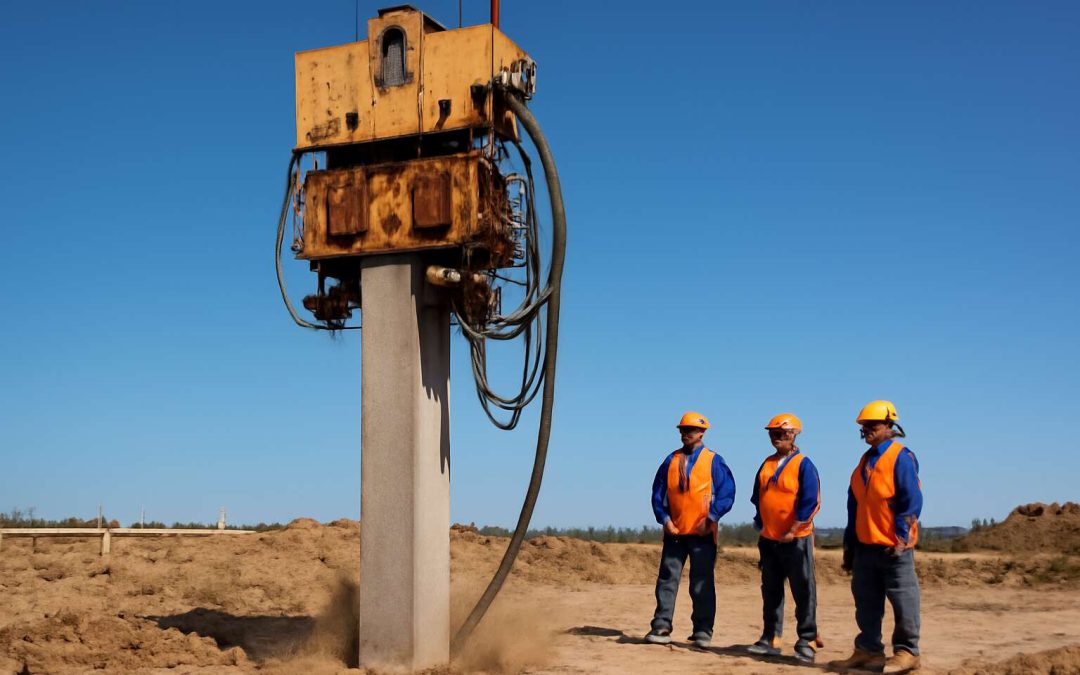
Understanding Piling Vibro Hammers
Definition and Functionality – What is a piling vibro hammer and how does it work?
In the realm of modern construction, the **piling vibro hammer** stands out as a marvel of engineering ingenuity. These powerful machines are essential for driving deep foundations into challenging terrains, ensuring structures are built with unwavering stability. At its core, a piling vibro hammer uses vibrations to facilitate the insertion of piles into the ground, a process that minimizes resistance and reduces environmental impact.
The operation of a piling vibro hammer hinges on its ability to generate high-frequency vibrations, which are transmitted through the pile to loosen the surrounding soil. This method allows for quicker installation times compared to traditional piling methods. Typically, a **piling vibro hammer** is attached to the top of the pile and powered by an energy source that creates rapid oscillations, effectively “shaking” the pile into place.
Understanding the functionality of a piling vibro hammer reveals why it’s a preferred choice in South Africa’s diverse construction landscape. From dense urban settings to rugged rural sites, these machines adapt seamlessly, providing reliable results. Here’s a quick overview of what makes a piling vibro hammer indispensable:
- Vibration-driven pile installation reduces soil resistance.
- Compatible with various pile materials, including concrete and steel.
- Environmentally friendly, with minimal noise and vibration disruption.
Types of Vibro Hammers – Different types including oscillatory and vibratory models
Understanding the various types of piling vibro hammers reveals how versatility and innovation shape modern construction practices. Among these, oscillatory and vibratory models stand out as the primary variants, each bringing distinct advantages to different project requirements.
Oscillatory vibro hammers operate by generating rotational or oscillatory movements, creating a high-frequency, low-amplitude vibration. This type is particularly effective for delicate soils where minimal disturbance is essential. Conversely, vibratory vibro hammers produce high-frequency, high-amplitude vibrations that excel in dense or resistant soils, making them ideal for heavy-duty foundation work.
In practice, the choice between these models hinges on soil conditions, pile material, and environmental considerations. A well-selected piling vibro hammer can dramatically reduce installation time and environmental impact. For South Africa’s diverse terrain, understanding these distinctions ensures optimal performance and sustainable building practices.
- Oscillatory models for sensitive soils
- Vibratory models for tough, resistant ground
Applications in Construction – Common uses in foundation and construction projects
Understanding the remarkable ways in which a piling vibro hammer transforms construction projects reveals its vital role in shaping resilient foundations. These mighty machines are often the unseen heroes behind towering structures, bridges, and waterfront developments across South Africa. Their application extends beyond mere installation; they embody the silent symphony of soil and steel working in harmony.
In foundation and construction projects, a piling vibro hammer excels at embedding piles with precision and speed. Its versatility allows it to adapt to diverse terrain, from the soft sands of coastal regions to the resistant bedrock inland. For instance, in urban environments where space is limited, these hammers provide a quieter, less disruptive method of pile driving, ensuring minimal disturbance to surrounding structures.
Particularly in South Africa’s varied landscape, the strategic deployment of a piling vibro hammer can mean the difference between a project’s success and unforeseen delays. Whether used for constructing high-rise buildings, retaining walls, or offshore platforms, the application of these powerful tools underscores their importance in modern engineering—a testament to how innovation and practicality intertwine in the world of heavy construction.
Key Features and Components
Main Components – Overview of the main parts such as the hydraulic system, vibration shafts, and counterweights
When it comes to the backbone of any reliable piling vibro hammer, understanding its main components is like knowing the secret sauce—without it, the whole operation falls flat. These mighty machines are built for precision and power, featuring a hydraulic system that keeps everything running smoother than a South African braai on a summer day. The hydraulic system not only powers the vibration but also ensures optimal control during critical foundation work.
At the heart of the piling vibro hammer are the vibration shafts—robust, oscillating components responsible for generating the high-frequency vibrations that drive piles deep into the earth. Think of them as the machine’s own heartbeat, pulsing with relentless energy. Complementing these are the counterweights, which balance the entire setup and mitigate unwanted vibrations, protecting both the machinery and the surrounding environment. These main parts work in harmony, creating a reliable, efficient tool for foundation engineers.
- Hydraulic system for power transmission
- Vibration shafts for generating oscillations
- Counterweights for stability and noise reduction
Understanding these core components helps in selecting the best piling vibro hammer for any construction challenge, ensuring durability and efficiency. After all, a well-oiled machine is the foundation of a job well done—and nobody wants their pile driving to resemble a slapstick comedy!
Operational Mechanism – How vibration is generated and transmitted to piles
At the core of every effective piling vibro hammer lies a sophisticated yet surprisingly elegant operational mechanism that transforms raw power into precise pile driving action. These machines generate vibrations through a carefully coordinated dance of components, ensuring the piles sink into the earth with military-like discipline. The vibration shafts, acting as the machine’s pulsating heart, oscillate at high frequencies, creating the energy needed to penetrate even the toughest soil layers.
Power transmission begins with the hydraulic system, which acts as the machine’s nervous system—delivering the fluid force that energizes the vibration shafts. This hydraulic power is finely controlled to maintain optimal vibration intensity, ensuring efficiency without sacrificing safety. The vibration is then transmitted directly to the pile via a specially designed clamp or shoe, which holds the pile securely in place during operation.
To keep everything stable and reduce the noise pollution that could upset the neighborhood, the piling vibro hammer employs counterweights. These heavyweights balance out the oscillations, preventing excessive vibrations from reverberating into surrounding structures. For added clarity, here’s a quick overview of the key components involved in the vibration transmission process:
- The hydraulic system supplies and controls the power needed for vibration generation.
- The vibration shafts produce high-frequency oscillations that drive the pile downward.
- Counterweights stabilize the entire setup, ensuring smooth operation and noise reduction.
In essence, the piling vibro hammer is a marvel of engineering that harmonizes these elements, ensuring piles are driven with pinpoint accuracy and minimal environmental impact. Its operational mechanism is a testament to how raw power and refined control can work hand-in-hand to conquer even the most challenging foundation tasks in South Africa’s diverse construction landscape.
Innovations and Modern Features – Latest technological advances in vibro hammer design and operation
In the realm of modern construction, the piling vibro hammer stands as an engineering marvel—an intersection of raw power and cutting-edge innovation. Recent advancements have pushed the boundaries of what these machines can achieve, making pile driving faster, quieter, and more precise.
One of the most significant innovations is the integration of intelligent control systems. These systems continuously monitor vibration frequency and amplitude, dynamically adjusting for optimal performance and minimal environmental impact. This ensures that each pile is driven with pinpoint accuracy, reducing material waste and boosting efficiency in South Africa’s diverse construction landscape.
Additionally, modern piling vibro hammers feature enhanced energy efficiency. Variable frequency drives and lightweight yet durable components contribute to reduced fuel consumption and lower operational costs. The incorporation of noise reduction technology, such as advanced counterweights and vibration dampening systems, minimizes noise pollution—an essential feature for urban projects.
Here’s a quick look at some key components that exemplify these innovations:
- Smart hydraulic control modules for precise energy delivery
- High-frequency vibration shafts with enhanced durability
- Advanced counterweight systems for noise and vibration mitigation
These technological advances make the piling vibro hammer not just a tool but a powerhouse of efficiency, safety, and environmental consciousness—pushing the limits of what’s possible in foundation engineering throughout South Africa’s construction industry.
Advantages of Using Piling Vibro Hammers
Efficiency and Speed – Speeding up piling operations with high vibratory force
When it comes to speeding up construction timelines, the efficiency of a piling vibro hammer cannot be overstated. With its high vibratory force, this equipment significantly reduces the time required to install deep foundations. The ability to generate rapid, powerful vibrations means piles are driven into the ground more swiftly than traditional methods, keeping projects on schedule and within budget.
Moreover, the increased speed of operation doesn’t come at the expense of precision. Piling vibro hammers deliver controlled vibrations that ensure proper pile alignment and stability. This combination of speed and accuracy makes them an invaluable asset on busy construction sites where every minute counts.
In essence, utilizing a piling vibro hammer translates to a more streamlined workflow. Less downtime, faster installation, and dependable performance are just some of the advantages that make these machines a cornerstone of modern foundation work. For construction teams seeking to optimize productivity, investing in a high-quality piling vibro hammer is a decision that pays dividends in efficiency and project momentum.
Environmental Benefits – Reduced noise and vibration impacts compared to traditional methods
When it comes to modern foundation work, environmental impact isn’t just a buzzword—it’s a necessity. Enter the piling vibro hammer, a marvel of engineering that’s revolutionizing construction sites across South Africa. Unlike traditional piling methods, which often sound like a demolition derby, vibro hammers produce significantly reduced noise and vibration impacts. This means less disturbance to nearby communities and wildlife, making construction projects more harmonious with their surroundings.
The secret lies in their innovative design, which minimizes the transmission of disruptive vibrations into the ground. Not only does this help protect underground utilities and fragile ecosystems, but it also keeps neighboring buildings and residents happier—no more complaints about noise pollution! Some models even feature advanced damping systems that further reduce vibro effects, ensuring a quieter, more sustainable building process.
For construction teams aiming to meet strict environmental standards while maintaining efficiency, the piling vibro hammer offers a compelling solution. Its eco-friendly operation underscores a commitment to responsible building practices, all without sacrificing the speed and precision needed on bustling construction sites.
Cost-Effectiveness – Lower operational costs over time
In a landscape where construction costs are escalating and environmental regulations tightening, choosing a **piling vibro hammer** offers undeniable financial advantages. These powerful tools are designed not just for efficiency but also for long-term cost savings. By reducing operational expenses, they make large-scale projects more economically viable.
One of the key benefits of a **piling vibro hammer** is its ability to operate with lower fuel consumption compared to traditional piling equipment. This means less money spent on energy, and fewer emissions released into the environment—aligning with South Africa’s growing focus on sustainable development. Additionally, the durability of modern vibro hammers means fewer repairs and maintenance, translating into lower upkeep costs over the lifespan of the equipment.
Construction teams that adopt vibro hammer technology experience faster project turnaround times, which directly impacts overall costs. The high vibratory force accelerates pile driving operations, cutting down labor hours and reducing site congestion. For projects where time is money, a **piling vibro hammer** can be a game-changer, delivering high performance without the hefty price tag associated with traditional methods.
Versatility – Suitable for different pile types and sizes
One of the most remarkable advantages of using a piling vibro hammer is its exceptional versatility. Designed to handle a wide array of pile types and sizes, these powerful tools adapt seamlessly to the diverse demands of South Africa’s construction landscape. Whether working with precast concrete piles, steel H-piles, or timber, the vibro hammer’s adjustable vibratory force ensures efficient installation without compromising precision.
This adaptability not only streamlines project workflows but also reduces the need for multiple specialized machines, making it a cost-effective choice for contractors. The piling vibro hammer can effortlessly switch between different pile diameters and lengths, accommodating complex foundation requirements with ease. Such flexibility makes it an invaluable asset in urban developments, infrastructure projects, and renewable energy initiatives where site conditions vary dramatically.
In addition to its broad compatibility, modern piling vibro hammers are equipped with innovative features that further enhance their multifunctionality. From adjustable vibration settings to advanced control systems, these tools empower operators to optimize performance across different project scenarios. This level of versatility is why many construction professionals consider the vibro hammer a cornerstone of modern piling technology, especially in a dynamic market like South Africa’s construction industry.
Factors to Consider When Choosing a Vibro Hammer
Project Specifications – Matching vibro hammer capacity with project needs
Choosing the right piling vibro hammer is akin to selecting a conductor for a symphony—each note must be perfectly tuned to achieve harmony in your construction project. The capacity of the vibro hammer should align seamlessly with the weight and type of piles, ensuring efficient force transmission without overburdening the machinery. An ill-suited vibro hammer can lead to sluggish progress, increased operational costs, and even compromised structural integrity.
When matching the vibro hammer capacity with project needs, consider factors such as pile diameter, length, and the soil conditions of the site. For instance, heavier, denser soils demand a vibro hammer with higher vibratory force, while softer soils may require a more delicate touch. To facilitate decision-making, some experts recommend evaluating:
- Maximum pile diameter and length
- Soil density and composition
- Project timeline and budget constraints
By meticulously aligning the specifications of your piling vibro hammer with these parameters, you ensure a smoother operation that maximizes efficiency and minimizes downtime. After all, the true magic of a successful piling project lies in the harmony between machinery capabilities and site demands.
Soil Conditions – How soil type affects vibro hammer selection
Choosing the right piling vibro hammer hinges significantly on understanding the soil conditions at your construction site. Soil type is a crucial factor because it directly influences the vibratory force needed for efficient pile driving. For instance, dense, rocky soils require a piling vibro hammer capable of delivering higher vibratory force to penetrate tough layers, while softer, sandy soils may necessitate a more delicate approach to prevent damage.
In softer soils, excessive vibration might cause displacement or instability, making a lighter, finely-tuned vibro hammer ideal. Conversely, compacted or clay-rich soils demand a robust machine that can generate enough force to achieve optimal penetration without prolonging the process unnecessarily. Recognizing these distinctions ensures your machinery matches the terrain’s demands, reducing operational costs and enhancing safety.
- Soil density and composition—whether loose sand or dense clay.
- Presence of obstructions like rocks or debris.
- Ground water levels, which can affect vibration transmission and pile stability.
When selecting a piling vibro hammer, it’s essential to evaluate these soil characteristics thoroughly. Doing so guarantees seamless operation, minimizes downtime, and ensures your foundation work is both solid and sustainable in South Africa’s diverse terrain.
Pile Dimensions – Compatibility with various pile lengths and diameters
Choosing the right piling vibro hammer is not merely about matching machinery to project size; it’s a delicate dance with the very soul of the earth beneath our feet. The length and diameter of piles must harmonize with the vibro hammer’s capacity—like a finely tuned instrument, each component must resonate perfectly. In South Africa’s diverse terrain, where soil conditions fluctuate from loose sand to dense clay, this compatibility becomes an art form that can determine the success or failure of a foundation.
To ensure seamless operation, consider how different pile dimensions align with the vibro hammer’s vibratory force. For longer or thicker piles, a more powerful machine might be necessary to penetrate stubborn layers efficiently. Conversely, smaller piles in softer soils benefit from a lighter, more precise vibro hammer that minimizes the risk of displacement or damage. Recognizing these nuances helps optimize productivity and reduces costly delays.
It’s essential to evaluate the specific project requirements and ground conditions. Sometimes, a simple
- assessment of pile length and diameter
- matching with vibro hammer capacity
will reveal the ideal configuration—ensuring that each stroke is purposeful, not wasted. In South Africa’s complex terrain, mastering this compatibility elevates the entire piling operation—transforming a routine task into a symphony of precision and efficiency!
Operational Factors – Ease of use, maintenance, and safety features
Choosing the optimal piling vibro hammer transcends mere specifications; it hinges on an intricate understanding of operational factors that influence efficiency, safety, and longevity. In the demanding landscapes of South Africa, where terrain can shift from the soft embrace of sandy soils to the unyielding grip of clay, a keen eye on ease of use and maintenance becomes paramount. A vibro hammer that is intuitive to operate ensures that skilled labor can harness its full potential without risking fatigue or error, while straightforward maintenance routines prevent costly downtime—an often overlooked facet of project success.
Safety features are another cornerstone in selecting a reliable piling vibro hammer. Modern models—equipped with automatic shut-off systems, vibration dampening technology, and ergonomic controls—do more than protect the operator; they uphold the integrity of the entire construction process. When operational ease, safety, and minimal upkeep are aligned, the result is a seamless symphony of productivity that accelerates project timelines and safeguards personnel.
Maintenance and Safety Tips for Vibro Hammers
Regular Maintenance Procedures – Scheduled inspections and part replacements
Proper maintenance and safety protocols are vital to ensure the longevity and optimal performance of your piling vibro hammer. Regular inspections help identify wear and tear early, preventing costly repairs and downtime. Scheduling routine checks on key components such as hydraulic systems, vibration shafts, and counterweights keeps the equipment running smoothly.
An effective maintenance procedure includes the replacement of worn parts and lubrication of moving elements. For example, replacing hydraulic hoses and filters at specified intervals can significantly extend the lifespan of the piling vibro hammer. It’s also essential to keep detailed records of inspections and repairs for accountability and future planning.
Safety should never be overlooked. Always ensure that operators are trained and equipped with personal protective gear. Conducting safety audits regularly helps identify potential hazards, reducing the risk of accidents on site. Keeping the area clear of unnecessary personnel during operation minimizes injury risks, making safety a priority in every aspect of piling vibro hammer use.
Safety Protocols – Ensuring safe operation for workers
In the shadowed corridors of construction sites, where the earth’s secrets are coaxed into submission, the piling vibro hammer stands as both marvel and menace. Yet, beneath its thunderous vibration lies a delicate balance—one that demands vigilant care and unwavering safety protocols. Ensuring the safe operation of this formidable machinery is not merely a matter of compliance but a sacred duty to safeguard lives amidst the chaos.
Regular maintenance is the heartbeat of longevity for your piling vibro hammer. Routine inspections of hydraulic systems, vibration shafts, and counterweights unveil the hidden wear that, if left unchecked, could spiral into catastrophic failure. Lubrication of moving parts and timely replacement of hydraulic hoses and filters serve as the armor that shields the equipment from the relentless assault of time and use.
Safety protocols must be woven into the fabric of every operation. Only trained operators should wield the power of the vibro hammer, donning personal protective gear that acts as a barrier against unforeseen calamities. Conducting frequent safety audits and keeping the work area clear of extraneous personnel diminishes the shadows where accidents often lurk.
- Ensure thorough training for all operators
- Maintain detailed records of inspections and repairs
- Keep the work zone secure and free from unnecessary personnel
In this dance of steel and earth, vigilance and discipline forge the path to safe and efficient piling operations. The dark symphony of the piling vibro hammer demands respect, for in its mighty vibrations lie both the promise of progress and the peril of neglect.
Troubleshooting Common Issues – Identifying and resolving typical problems
Handling a piling vibro hammer isn’t just about brute force; it’s a delicate ballet of precision, timing, and a dash of mechanical wizardry. When troubleshooting common issues, understanding the machinery’s quirks can save a project from grinding to a screeching halt. Many operators overlook minor signs like unusual vibrations or odd noises—until they become catastrophic failures. Staying vigilant with regular maintenance can prevent these headaches before they start.
One of the most frequent culprits behind operational hiccups is hydraulic system trouble. Leaks or low pressure often cause inconsistent vibration transmission, hampering performance. In such cases, inspecting hydraulic hoses and filters regularly is paramount. Replacing worn-out parts promptly keeps the piling vibro hammer humming along smoothly. Remember, ignoring small leaks today may lead to costly repairs tomorrow.
For troubleshooting, consider this simple sequence:
- Check the hydraulic fluid levels and pressure
- Inspect vibration shafts for misalignment or wear
- Ensure counterweights are securely fastened and free of debris
If vibrations intensify unexpectedly, it might signal a need for professional calibration or component replacement. A well-maintained piling vibro hammer not only enhances safety but also boosts operational speed and efficiency, making every minute count on busy South African construction sites.
Leading Manufacturers and Brands
Top Market Players – Overview of reputable vibro hammer manufacturers
In the bustling realm of construction machinery, a few names resonate with unwavering prestige, especially when it comes to the formidable piling vibro hammer. These manufacturers have etched their reputation through relentless innovation and uncompromising quality. For projects demanding precision and power, selecting a reputable brand is paramount to avoid operational hiccups and costly delays. Leading market players such as Caterpillar, Bauer, and Soilmec are often seen at the forefront, offering a diverse array of vibro hammers tailored for South African soil conditions and project specifications.
What sets these brands apart isn’t just their storied histories but their commitment to technological evolution. From advanced hydraulic systems to eco-friendly features, top manufacturers continuously push the envelope. If you’re contemplating a purchase that balances speed, efficiency, and environmental consciousness, these companies are the benchmark. Their vibro hammers are renowned for reliability, ensuring that every pile driven is a testament to engineering excellence.
Comparative Analysis – Features, pricing, and after-sales support
When it comes to choosing a piling vibro hammer, the landscape is as diverse as the soil in South Africa—each brand claiming to be the best, but only a handful truly deliver on the promise of efficiency, durability, and cost-effectiveness. Leading manufacturers like Caterpillar, Bauer, and Soilmec have carved out their niches by continuously pushing the boundaries of technological innovation. Their vibro hammers are not only engineered for power but also boast features that cater to the unique soil conditions found across South African construction sites.
Price points vary significantly depending on features, capacity, and after-sales support. While some brands offer entry-level models suited for small projects, others provide high-capacity vibro hammers designed for large-scale infrastructure. A quick glance at the comparative analysis reveals:
- Advanced hydraulic systems that optimize energy use
- Eco-friendly features reducing noise and vibration pollution
- Robust construction ensuring longevity in tough environments
Moreover, after-sales support plays a crucial role in maintaining operational uptime. Reputable brands often include comprehensive maintenance packages, spare parts availability, and trained technicians—elements that significantly impact overall project costs and timelines. For those balancing budget constraints with performance needs, understanding the features, pricing, and support structure of each vibro hammer brand is essential. After all, a reliable piling vibro hammer isn’t just a purchase—it’s an investment in the foundation of your project’s success!
Choosing a Supplier – Tips for selecting reliable vendors
Choosing a reliable piling vibro hammer supplier is a decision that shapes the foundation of your entire construction project. In a landscape as varied and demanding as South Africa’s, partnering with leading manufacturers ensures not only optimal performance but also peace of mind. Renowned brands like Caterpillar, Bauer, and Soilmec have established themselves through unwavering commitment to innovation, durability, and service excellence. Their reputation is built on delivering equipment that withstands the rugged soil conditions characteristic of South African construction sites.
When selecting a vendor, it’s vital to consider their reputation for quality and after-sales support. A trustworthy supplier offers comprehensive maintenance packages, readily available spare parts, and trained technicians who understand the intricacies of a high-quality piling vibro hammer. To navigate this complex market, here are some tips:
- Assess the manufacturer’s track record for durability and technological innovation
- Ensure the supplier provides tailored solutions for specific soil types and project demands
- Evaluate the availability of after-sales support, including maintenance and spare parts
Ultimately, choosing the right supplier means aligning your project’s needs with a brand that values reliability and efficiency—an investment that paves the way for successful, long-lasting foundations in South Africa’s diverse construction landscape.
Future Trends in Piling Vibro Hammer Technology
Automation and Digital Control – Integration of smart technologies for enhanced operation
In the shadowed corridors of modern construction, the future of the piling vibro hammer shimmers with a promise of technological renaissance. As automation and digital control weave their intricate spells, these mighty machines are evolving beyond mere brute force into intelligent entities capable of precise, almost uncanny operations. Integrating smart technologies, such as real-time monitoring systems and adaptive vibration controls, allows for unprecedented finesse—minimizing environmental impact while maximizing efficiency.
Imagine a piling vibro hammer that learns from its surroundings, adjusting its vibratory force to match soil conditions seamlessly. This is no longer science fiction but a burgeoning reality. With advancements in sensor technology and AI, operators can oversee multiple machines with a single command interface, reducing risks and increasing productivity. The horizon is dotted with innovations like predictive maintenance algorithms that diagnose problems before they manifest, ensuring uninterrupted progress. As we stand on this precipice, the marriage of digital control and automated operation promises a new dawn for foundation engineering—one where the darkness of inefficiency is dispelled by the luminous glow of smart technology.
Eco-Friendly Designs – Sustainable materials and energy-efficient models
The horizon of pile driving technology is shimmering with a promise that echoes through the corridors of modern construction—an evolution driven by eco-friendly designs that harmonize strength with sustainability. As the world increasingly turns its gaze toward greener horizons, the future of the piling vibro hammer beckons with innovations that prioritize not just efficiency but also environmental stewardship.
Imagine a piling vibro hammer crafted from sustainable materials, meticulously engineered to minimize energy consumption while delivering maximum force. These models are now emerging as the vanguard of eco-conscious foundation solutions. Incorporating energy-efficient motors and recyclable components, they reduce the carbon footprint of major infrastructure projects, all while maintaining the relentless power needed to drive piles into the earth’s depths.
- Use of biodegradable lubricants and eco-friendly hydraulic fluids
- Designs that optimize vibration transmission to reduce noise pollution
- Incorporation of renewable energy sources, such as solar-powered control units
As sustainability becomes a cornerstone of construction ethics, the development of energy-efficient models for the piling vibro hammer is accelerating. These advancements not only uphold the integrity of the environment but also promise lower operational costs and a lighter ecological footprint—an enchanting synergy of power and responsibility that shapes the future of foundation engineering.
Enhanced Performance Features – Increasing power and precision for complex projects
As construction projects grow more ambitious, the future of the piling vibro hammer is set to deliver unprecedented levels of power and precision. Imagine a machine that not only drives piles with relentless force but also adapts seamlessly to complex soil conditions—sounds like science fiction, right? Yet, technological innovation is propelling piling vibro hammers into a new era where smarter, more efficient models are the norm.
Enhanced performance features are at the forefront of this evolution. Manufacturers are integrating cutting-edge digital control systems, allowing operators to fine-tune vibration frequencies and amplitudes on the fly. This means better adaptability for challenging terrains and tighter project specifications. Additionally, next-generation piling vibro hammers are equipped with high-capacity vibration shafts that optimize energy transfer, reducing unnecessary wear and tear while boosting operational speed.
For those tackling intricate foundation projects, the trend toward increasing power and precision isn’t just a luxury—it’s a necessity. The latest models can handle larger pile diameters and longer lengths, all while maintaining the finesse needed for precision-driven construction. This synergy of brute force and delicate control ensures that every pile is driven with surgical accuracy, saving time and reducing project costs.
Furthermore, innovations like real-time monitoring and automation are transforming the way these machines operate. Integrated sensors provide instant feedback on vibration levels, soil response, and equipment health, enabling proactive maintenance and safer working conditions. In essence, the future of the piling vibro hammer is a harmonious blend of raw power and technological finesse—designed to meet the demands of South Africa’s evolving infrastructure landscape.
