
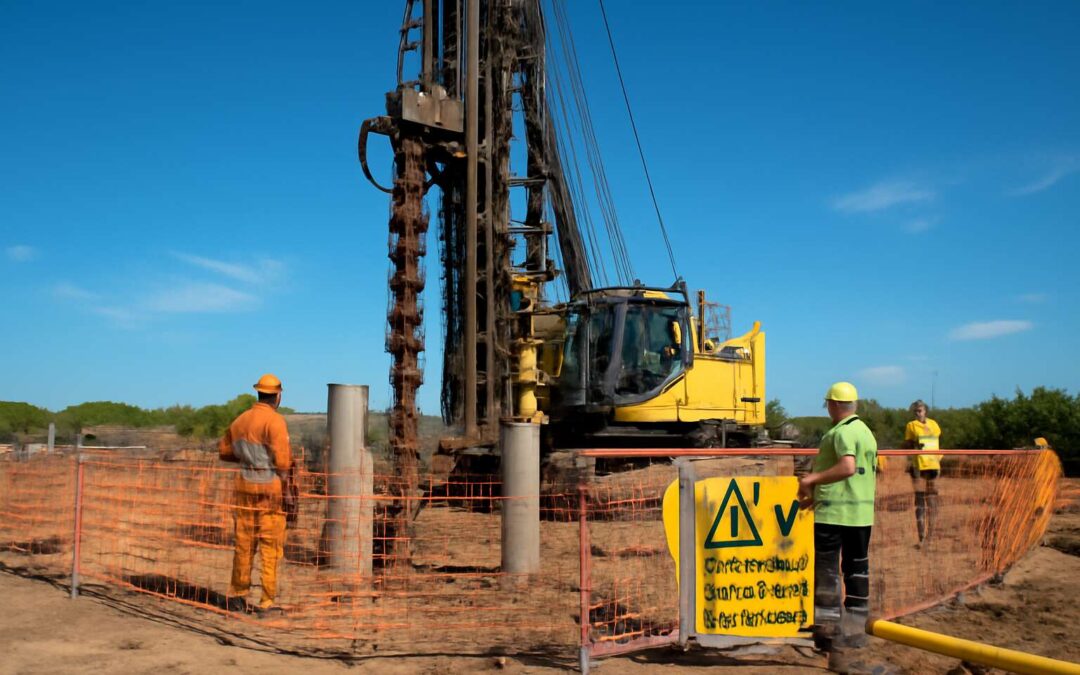
Safety and Compliance When Working Near Gas Mains
Identifying Gas Mains and Utilities
Gas mains lie beneath South Africa’s urban arteries like quiet engines, and the pressure builds when piling near gas mains. A single misstep can echo through a project, delaying timelines and inflaming costs. Clarity, not bravado, is the first line of defense on site.
Safety and compliance when working near gas mains hinges on disciplined identification of utilities and a shared understanding of governing codes. Identifying Gas Mains and Utilities is more than mark-and-measure; it is a contract among engineers, inspectors, and builders to respect buried lines before a trench is opened.
Illustrative principles that anchor practice include the following considerations.
- Regulatory frameworks that guide work near buried assets
- Professional mapping and utility records as a baseline
- Clear communication among project teams and utility owners
In South Africa’s construction landscape, compliance is as much about culture as controls; diligent stewardship of gas infrastructure protects communities and keeps projects moving with confidence.
Permitted Disturbance Levels and Exclusion Zones
“Safety is the quiet engine that powers every brick laid in confidence,” a veteran site engineer often quips. In piling near gas mains, permits, disturbance levels, and exclusion zones set the tempo like a disciplined orchestra. This is not bravado; it’s a covenant with buried lines—an unspoken contract that keeps schedules intact and communities calm.
South Africa’s safety culture rests on three anchors: regulatory frameworks that govern work near buried assets, professional mapping and utility records as baseline, and crystal-clear communication among project teams and utility owners. When these align, risk stays politely in check and reports stay on script.
- Permitted disturbance levels
- Exclusion zones
That disciplined attention is the everyday currency of progress on South Africa’s sites.
Emergency Procedures and Isolation Protocols
A single misstep near gas mains can halt a project and shake a community. In this space, emergency procedures and isolation protocols are not add-ons; they’re the backbone of safe piling.
Everyone on site—engineers, operatives, and managers—needs a shared playbook: clear roles, documented contact points, and muster points that work even when the atmosphere tightens.
Isolation protocols frame risk control. Zones, access controls, and system lockouts keep buried assets intact while works proceed, with continuous gas detection and clear escalation paths.
South Africa’s safety culture rests on strong regulatory frameworks, accurate utility mapping, and disciplined communication among teams and utility owners. When these lines align, piling near gas mains proceeds with calm and credibility.
Personnel Training and Personal Protective Equipment
Across South Africa, a gas mains hums beneath a busy piling site, and one lapse can rewrite a day in a whisper of smoke. A veteran supervisor once said, “Training is the quiet shield between steel and breath.” Safety and compliance here are the heartbeat of work near gas mains.
- Hazard recognition and permit-to-work awareness
- Gas-detection system literacy
- Personal Protective Equipment guidelines
- Emergency communication and muster understanding
- Competence verification and record-keeping
Clear communication, disciplined oversight, and the right PPE keep crews calm and credible, even as the ground exhales its quiet warning in piling near gas mains.
Regulatory Framework and Permitting for Proximity to Gas Mains
National and Local Regulations
Across South Africa, proper permitting turns potential delays into predictable milestones. National policy and local by-laws guide how projects approach excavation, route planning, and timing. Permitting is not a hurdle; it is a compass that directs piling near gas mains toward safety, access, and accountability. A well-ordered approval process reduces downtime, site chatter, and costly retrofits. On every project, ambition must meet common sense through the eyes of the gatekeepers.
The regulatory guardrails include:
- National standards and authorities governing pipeline safety
- Municipal permits, zoning considerations, and utility access agreements
- Documented inspections, permit scopes, and compliance checkpoints during construction
Together, these provisions keep work anchored in safety and trust.
Responsibilities of the Main Contractor and Utilities
Compliance is the quiet magic that keeps the earth honest where pipes sleep. In South Africa, the regulatory framework acts as a compass for piling near gas mains, turning potential delays into predictable milestones. National standards and municipal by-laws shape how excavation unfolds, how routes are chosen, and how timing is managed. Permits arrive as lanterns guiding safety, access, and accountability.
Two custodians share the map: the main contractor and the utilities. Their responsibilities align through permits and access agreements, ensuring the work respects service routes and immediate surroundings.
- Main contractor: coordinate with utilities, secure site access, monitor permit scope, and report deviations
- Utilities: confirm gas main protection, provide up-to-date maps, designate isolation points
- Regulators: audit compliance, validate documentation, and maintain transparent records
Together, they weave safety and trust into the fabric of every dig, so the earth remains hospitable to both progress and people.
Permitting Process and Documentation
In South Africa’s urban labyrinth, permits are the spell that keeps the earth honest while you tackle piling near gas mains. The regulatory framework acts as a compass for this work, turning risk into a predictable route from planning to trenches.
The permitting process centers on transparency. Before any trenching, a documented trail of approvals, scope, and access is created. Utilities supply current gas-mains maps and designate isolation points; regulators audit the paperwork and validate the records.
- Scope, routes and zone of influence clearly defined
- Up-to-date gas mains maps and isolation point designations
- Complete permit documentation with change logs and approvals
That documentation trail keeps progress aligned, ensuring accountability and a dash of practical South African pragmatism at every dig.
Audit and Inspection Requirements
In South Africa’s urban labyrinth, piling near gas mains demands more than steel and soil; it requires a regulatory choreography that keeps risk orderly and measurable. “Compliance is the quiet backbone of safe progress,” a reminder that echoes through every permit, map, and isolation plan before any trench dares to open.
As a framework, the regulatory environment binds proximity work to transparent audits and regular inspections. Utilities monitor alignment between current gas mains maps and site realities, while regulators review records for accuracy, completeness, and traceability. The result is a living discipline that turns risk into accountability.
- Verification of gas mains maps against field surveys and as-built drawings
- Scheduled inspection cadences and access-control verification at the worksite
- Documentation trails capturing approvals, amendments, and record handovers
With the framework in place, progress keeps pace without sacrificing safety; the architecture of compliance supports every stakeholder—from municipal planners to trench crews—in facing the ground responsibly.
Engineering and Construction Best Practices
Ground Investigation and Marking Utilities
Selection of Piling Techniques Suitable Near Utilities
The ground keeps secrets beneath every project, and piling near gas mains is where those secrets matter most. A veteran site engineer once said, “The ground never forgets where utilities lie.” Those words set the tone for thoughtful planning in every engineering and construction decision.
Choosing piling techniques near utilities hinges on soil behavior, proximity, and risk tolerance, especially in South Africa where projects near gas mains demand extra vigilance. Favor methods that limit vibration, control ground movement, and preserve existing gas infrastructure while delivering the required stiffness and load path. A careful balance between efficiency and safety is the mark of true construction discipline.
- Low-vibration piling options
- Non-disruptive installation methods
- Robust monitoring and verification
Vibration and Noise Control Measures
Grounds speak, especially where gas mains run beneath a site. In urban South Africa, the cost of ignoring vibration is measured not in rands but in risk to infrastructure and people. “The ground remembers,” a veteran site engineer once warned, and that memory guides us when we are piling near gas mains!
Smart approaches start with non-disruptive methods and robust monitoring. To keep vibration and noise in check, we lean on low-vibration rigs, real-time monitoring with alarms, and timing that avoids peak noise windows.
- Low-vibration piling rigs and hydraulic drives
- Real-time vibration monitoring with threshold alarms
- Strategic work scheduling to avoid night-time and busy periods
These measures reinforce responsible practice, ensuring infrastructure integrity while keeping communities safer and projects on track.
Temporary Works and Access Planning
Engineering and Construction Best Practices for Temporary Works and Access Planning turn a busy site into a predictable stage. When piling near gas mains, precise access routes, safe laydown zones, and robust temporary supports keep disruption low and safety high. In South Africa’s urban cores, the real skill is early coordination, like mapping a city’s heartbeat beneath our feet: planning the geotechnical layout, securing traversable gaps, and aligning with utilities to preserve flow and community trust.
- Defined access corridors and staged equipment
- Clear signaling and temporary demarcations
- Rapid response plans for utility disturbances
We choreograph schedules with weather, traffic, and peak demand, turning risk into rhythm, and letting progress unfold with quiet confidence. The language of planning is a map that guides crews, inspectors, and neighbours alike, turning uncertainty into a shared confidence.
Quality Assurance and Material Handling
South Africa’s city arteries throb with ambition, and one spot beneath our boots holds the decisive truth: precision today protects neighbours tomorrow. In piling near gas mains, Quality Assurance is not a ritual; it is the backbone—rigid checks become routine, and routine becomes trust. We choreograph workmanship so every load serves safety and rhythm alike.
Material handling under this lens stretches from source to site gate: certified suppliers, traceable batches, and appropriate storage. On-site practices align with the quiet discipline of QA, ensuring that every component—steel, cement, sleeves—arrives ready and accounted for, with integrity guarded at every turn.
- Material tracing and batch records
- Equipment calibration and maintenance
- Controlled storage and transport of components
- Documentation and QA gates
In the SA context, this care turns potential disruption into a shared confidence, where the city’s heartbeat keeps pace with every disciplined lift—piling near gas mains becomes a measured art, not a reckless impulse!
Risk Assessment, Testing, and Mitigation Strategies
Hazard Identification and Risk Register
An accident near a gas main can ripple through communities and project schedules alike. In South Africa, risk assessment is not a box to tick but a discipline that guides every decision. When piling near gas mains, uncertainty becomes a design parameter.
Risk assessment begins with Hazard Identification and Risk Register, a living map of what could go wrong and how it would matter. It captures exposure, consequences, and likelihood, guiding conversations with clients and regulators.
- Hazard identification and risk ranking
- Governance of the risk register and traceable decisions
- Independent review aligned with local standards
Testing and Mitigation Strategies weave through design and work. Broad testing regimes and material verification help validate assumptions about soil and utilities, while mitigation strategies emphasize thoughtful sequencing, monitoring, and conservative design choices.
Gas Detection and Monitoring During Works
Piling near gas mains is not a thrill ride; it’s a high-stakes ballet of decisions. In South Africa, risk assessment guides every choice, turning uncertainty into a design parameter. Start with a living risk map that captures exposure, consequences, and likelihood—sparking conversations with clients and regulators.
Risk assessment should cover hazard identification, risk ranking, governance, and traceable decisions. An independent review aligned with local standards keeps bias in check, especially when piling near gas mains, and ensures the reasoning behind each move is clear.
Testing and mitigation weave through design. Broad regimes validate soil and materials; mitigation stresses careful sequencing and ongoing monitoring. Gas detection and monitoring during works, with fixed sensors and portable units, provide real-time vigilance and fast alerting to any anomaly.
Mitigation Measures for Ground Movement
In the crypt beneath South Africa’s streets, where gas mains murmur through dark soil, risk is not a rumor but a timetable. Industry reports claim that up to 60% of incidents near utilities are preventable with rigorous planning. A living risk map is born at the outset, capturing exposure, consequences, and likelihood—sparking frank conversations with clients and regulators, piling near gas mains demands a patient chorus of checks.
Risk assessment should cover hazard identification, risk ranking, governance, and traceable decisions. An independent review aligned with local standards keeps bias in check, and ensures the reasoning behind each move is clear.
- Soil characterization and material verification
- Controlled sequencing to limit ground disturbance
- Real-time monitoring with fixed sensors and portable units
Post-Installation Verification and Documentation
A recent audit shows up to 60% of incidents near utilities are preventable with tighter planning. In piling near gas mains, every measurement and decision must be traceable from risk assessment through post-installation verification to keep fear from becoming reality!
Testing and verification after installation should blend non-destructive checks, real-time monitoring, and record-keeping that ties back to the project brief. This phase confirms the structural behavior matches the approved model and protects the surrounding gas infrastructure and communities!
Documentation creates accountability, from as-built drawings to change-control logs. An independent review aligned with local standards ensures the reasoning behind each action remains clear and accessible to regulators, clients, and future teams.
