
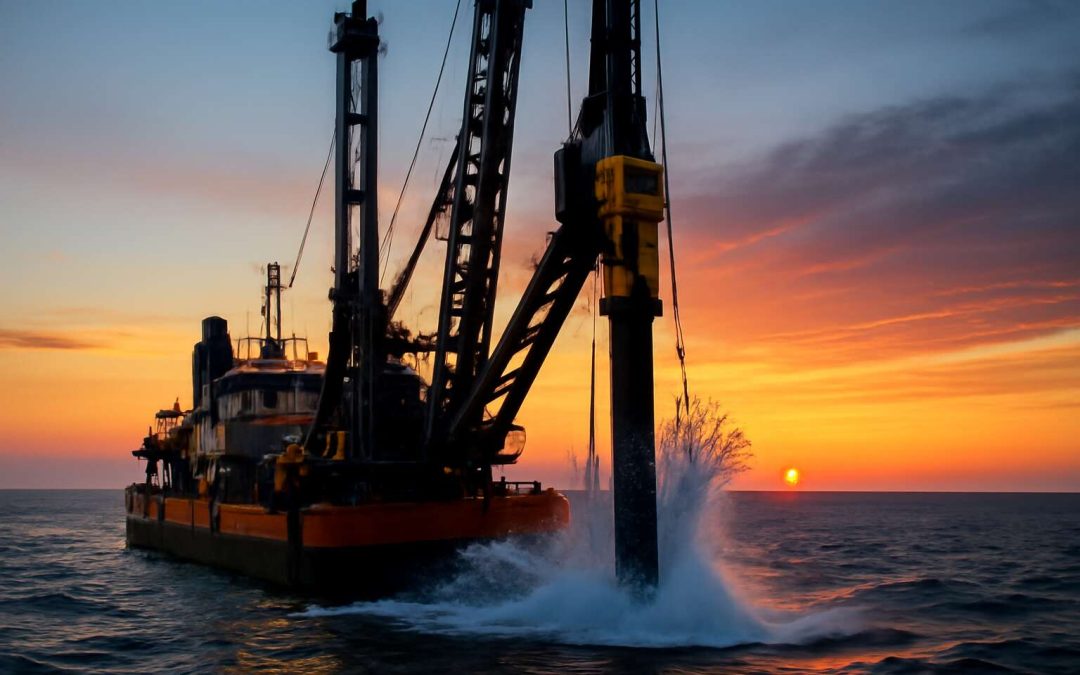
Understanding Piling Vessels
Definition and Overview
In the vast realm of maritime engineering, the piling vessel stands as a testament to human ingenuity and the relentless pursuit of progress. These colossal ships are more than mere transporters; they are the backbone of coastal development, enabling the creation of sturdy foundations in challenging environments. Often overlooked, a piling vessel’s true essence lies in its ability to seamlessly combine power, precision, and resilience.
Understanding the definition of a piling vessel reveals a marvel of modern construction. Essentially, it is a specialized ship designed to install deep foundation elements into the seabed—be it piles, caissons, or other structural supports. This process is vital for constructing bridges, offshore platforms, and port facilities, especially in regions like South Africa where coastal infrastructure is continuously evolving. The versatility of a piling vessel allows it to operate in turbulent waters and deep-sea conditions with remarkable efficiency.
In fact, a typical piling vessel is equipped with a range of advanced features, including large cranes, hydraulic systems, and dynamic positioning technology. These elements work in harmony to ensure precision and safety during operations. The vessel’s capability to perform complex piling tasks makes it an indispensable asset in modern maritime construction projects, exemplifying the marriage of engineering excellence and environmental adaptation. Truly, the piling vessel embodies the spirit of bold exploration and meticulous craftsmanship that shapes our world’s coastlines.
Types of Piling Vessels
Understanding the diverse range of piling vessels reveals a world of engineering mastery and strategic adaptation. These vessels are not one-size-fits-all; each type is meticulously designed to tackle specific challenges posed by different seabed conditions and project requirements. For instance, some piling vessels excel in installing large-diameter piles for offshore platforms, while others specialize in rapid deployment for port infrastructure.
The most common types include jack-up piling vessels, which are capable of self-elevating to operate in shallow waters, and dynamically positioned vessels that maintain precise location in turbulent seas. Additionally, heavy lift vessels equipped with massive cranes enable the installation of substantial foundation elements in deep-sea environments.
- Jack-up piling vessels
- Dynamically positioned (DP) vessels
- Heavy lift vessels
Each vessel type’s unique capabilities make them invaluable assets in South Africa’s expanding maritime infrastructure, ensuring projects are completed with unmatched precision and resilience. The choice of a specific piling vessel hinges on project scope, environmental conditions, and the complexity of the foundation work—factors that turn these mighty ships into silent architects of the coastline’s future.
Primary Functions and Uses
When it comes to the primary functions of a piling vessel, think of them as the silent giants of maritime construction—steadfast, powerful, and surprisingly precise. These vessels are the backbone of offshore infrastructure, from laying the foundation for towering oil rigs to reinforcing port terminals. Their main purpose? To efficiently install piles that serve as the backbone of maritime structures, ensuring stability amidst the chaos of the sea.
In South Africa, where the coastline is a bustling hub of trade and energy projects, a piling vessel is often the hero behind the scenes. Whether it’s deploying massive steel piles or delicate concrete foundations, these vessels are designed to meet specific project demands. For example, some are equipped with advanced dynamic positioning systems to hold their position in turbulent waters, while others boast heavy lift cranes capable of hoisting enormous foundation elements.
Here’s a quick overview of their uses:
- Installing offshore wind turbines and oil platforms
- Supporting port expansion projects with rapid pile deployment
- Reinforcing coastal defenses against rising sea levels
Each task demands a different kind of piling vessel, demonstrating their versatility and importance in South Africa’s maritime development. These vessels are not just ships—they are the architects of the coast, silently shaping the future beneath the waves.
Key Components of a Piling Vessel
Engine and Power Systems
Power systems are the heartbeat of any piling vessel, driving efficiency and reliability during demanding marine operations. These vessels rely heavily on robust engine configurations to ensure precision and endurance when installing deep foundations. A typical piling vessel engine setup may include multiple diesel generators that provide a steady power supply for all onboard systems. This redundancy is crucial for maintaining operational safety in remote offshore locations.
Key components of a piling vessel’s engine and power systems include high-capacity engines, transformers, and sophisticated control panels. These elements work together seamlessly to deliver optimal power output. The vessel’s power systems are often complemented by emergency backup generators, ensuring continuous operation even during unforeseen failures. Such resilience is vital in complex piling projects, where delays can cost millions.
In essence, the strength of a piling vessel’s engine and power systems directly influences its performance and safety. Properly designed systems can handle heavy loads and prolonged use, making them indispensable for successful marine piling operations.
Pile Handling Equipment
In the intricate dance of marine construction, the key components of a piling vessel’s pile handling equipment often remain hidden behind the scenes—yet, without them, the whole operation would be akin to a ballet without a lead dancer. These vital elements ensure the seamless movement, placement, and securement of piles, transforming raw materials into the backbone of offshore infrastructure.
At the heart of this system lie crane mechanisms and specialized grab buckets—each designed for precision and strength. The cranes, often of the heavy-duty hydraulic or lattice boom variety, elevate piles with a grace that belies their brute force. Meanwhile, the grab buckets or clamshells are engineered to grip and manipulate piles of varying sizes, ensuring stability during transit and installation.
For optimal efficiency, a typical piling vessel’s pile handling equipment includes:
- Robust hydraulic cranes with high lifting capacity
- Automatic pile grab systems for rapid engagement
- Rotating turntables for precise alignment
- Secure lashings and supports to prevent shifting during transit
All these components work in harmony, orchestrated by sophisticated control systems that allow operators to perform delicate maneuvers amidst the turbulent demands of offshore environments. When working with a piling vessel, every piece of equipment must be as resilient as the piles it handles—ensuring safety, speed, and accuracy in the pursuit of installing deep foundations that stand the test of time and tide.
Crane and Lifting Mechanisms
When it comes to the backbone of offshore infrastructure, the key components of a piling vessel’s crane and lifting mechanisms are nothing short of marvels. These robust systems are the unsung heroes that make deep-sea foundation installation look like a well-choreographed ballet—minus the tutus, of course. With the power to lift heavy piles effortlessly, they turn raw steel into the silent giants that hold up everything from wind farms to bridges.
The heart of a piling vessel’s lifting prowess lies in its hydraulic cranes. These heavy-duty beasts boast high lifting capacities, often reaching thousands of tons—imagine lifting a small building with finesse! Their hydraulic systems provide the muscle needed to hoist and position piles with pinpoint precision, even amidst turbulent offshore conditions. To enhance efficiency, many vessels feature rotating turntables that allow for seamless alignment, ensuring every pile is set exactly where it should be.
- Hydraulic cranes with high lifting capacity
- Automatic pile grab systems for rapid engagement
- Rotating turntables for precise alignment
- Secure lashings and supports to prevent shifting during transit
Behind the scenes, sophisticated control systems orchestrate this machinery, giving operators the ability to perform delicate maneuvers despite the turbulent dance of the ocean. Every component of the lifting mechanism on a piling vessel must be as resilient as the piles it handles—because in offshore construction, there’s no room for second chances or sloppy work. The seamless coordination of these key components ensures not only safety and speed but also the durability of the foundations that stand firm against South Africa’s fierce maritime conditions.
Navigation and Control Systems
Navigation and control systems are the silent sentinels guiding a piling vessel through the tumultuous waters of South Africa’s coastlines. These sophisticated systems ensure unwavering precision, transforming the vessel into a ballet dancer amid the chaos of the ocean. The importance of these components cannot be overstated—they are the backbone of safe and efficient deep-sea foundation installation.
Modern piling vessels are equipped with advanced GPS and dynamic positioning (DP) systems that allow for pinpoint accuracy, even in unpredictable weather. These systems continuously analyze real-time data, adjusting thrusters and engines to maintain position with remarkable stability. The result is a seamless dance between technology and nature, where every movement is calculated and controlled.
Integral to the vessel’s mastery are the control consoles—interfaces that translate complex data into intuitive commands. Operators rely on these control systems to execute delicate maneuvers, ensuring piles are driven with exact alignment and depth. For added reliability, many vessels incorporate redundant systems, providing a safety net that keeps operations smooth despite the often unpredictable maritime environment.
To enhance operational efficiency, some piling vessels feature automated navigation aids, such as radar and sonar systems, which assist in obstacle detection and course correction. These tools not only elevate safety standards but also contribute to the overall speed of installation, making every project more feasible and cost-effective. In the realm of offshore construction, the mastery of navigation and control systems on a piling vessel is nothing short of artistry—an elegant blend of science and skill that underpins South Africa’s ambitious maritime infrastructure dreams.
Technology and Innovations in Piling Vessels
Advanced Drilling and Piling Technologies
In the relentless pursuit of engineering mastery, modern piling vessel technology embodies a symphony of innovation that pushes the boundaries of what was once deemed possible. The advent of advanced drilling and piling technologies has transformed these vessels into floating laboratories, where precision meets resilience amid turbulent seas. It is not merely about reaching depths but about ensuring structural integrity through innovations like dynamic positioning systems and automated pile handling mechanisms, which minimize human error and maximize efficiency.
Cutting-edge advancements have introduced materials and methods that significantly reduce environmental impact, a vital consideration in South Africa’s diverse coastal ecosystems. The integration of sophisticated navigation and control systems allows piling vessels to operate with unparalleled accuracy, even in challenging weather conditions. This technological evolution is exemplified by features such as real-time monitoring and remote operation capabilities, which elevate safety standards and operational reliability. As the industry continues to innovate, the piling vessel remains at the forefront, driven by relentless ingenuity and a commitment to sustainable development.
Automation and Remote Operation
In the world of modern engineering, the evolution of the piling vessel has reached unprecedented heights, driven by a surge in automation and remote operation capabilities. These technological marvels are no longer just floating platforms; they are sophisticated command centers, seamlessly integrating cutting-edge systems to enhance precision and safety. With the advent of remote operation, operators can oversee complex piling projects from thousands of miles away, reducing risks and increasing efficiency on the water.
Advanced control systems, including real-time data analytics and automated navigation, have transformed how piling vessels function. They enable the vessel to adapt instantly to changing sea conditions, ensuring that every pile is driven with pinpoint accuracy. For example, sophisticated sensors continuously monitor environmental factors and structural integrity, allowing for dynamic adjustments without human intervention. This not only boosts safety standards but also maximizes productivity in challenging environments such as South Africa’s rugged coasts.
Furthermore, the integration of automation in piling vessel technology supports environmentally sustainable practices. Automated systems optimize fuel consumption and minimize disturbance to fragile ecosystems, which is crucial in regions where marine biodiversity is both rich and vulnerable. As the industry advances, these innovations underscore a commitment to responsible development, ensuring that progress does not come at the expense of nature.
In essence, the marriage of automation and remote operation in piling vessels is revolutionizing offshore construction, making projects faster, safer, and more sustainable. It’s a testament to how human ingenuity continues to push the boundaries of what is possible on turbulent seas—bringing ambitious infrastructure projects to life with unwavering precision and care.
Environmental Monitoring Systems
In the ever-evolving realm of offshore construction, piling vessels are now pushing the boundaries of innovation—almost as if they’ve gained a consciousness of their own! One of the most intriguing technological advancements is the integration of environmental monitoring systems. These high-tech sentinels keep a watchful eye on marine ecosystems, ensuring that every pile driven respects nature’s delicate balance. With South Africa’s rich biodiversity along its rugged coasts, such systems are not just a luxury—they’re a necessity.
Modern piling vessels are equipped with sophisticated sensors that track variables like water quality, sediment displacement, and even marine life activity in real-time. This data feeds into intelligent control systems that can make dynamic adjustments, optimizing operations while minimizing ecological disruption. For example, if seismic activity or noise levels spike, the vessel can automatically slow down or adjust pile-driving methods to reduce disturbance. It’s a game-changer for sustainable offshore projects.
To give you a sense of what these systems monitor, here’s a quick rundown:
- Water turbidity levels to prevent excessive sedimentation
- Marine mammal and fish movement detection to avoid accidental harm
- Structural integrity sensors ensuring the vessel’s safety during heavy-duty operations
All of these innovations make the piling vessel not just a marvel of engineering, but also a guardian of the marine environment. As offshore construction in South Africa and beyond continues to grow, these environmental monitoring systems are proving vital—delivering precision, safety, and ecological mindfulness, all wrapped into a floating powerhouse of technological prowess.
Sustainable and Eco-friendly Features
In an era where ecological stewardship intertwines seamlessly with technological innovation, the modern piling vessel emerges not merely as a marvel of engineering but as a beacon of sustainable offshore construction. These vessels are increasingly equipped with cutting-edge features that elevate their role from mere construction tools to custodians of marine ecosystems. The integration of eco-friendly technologies ensures that each pile driven into South Africa’s rugged coasts respects the delicate balance of its vibrant biodiversity.
One of the most profound innovations is the deployment of advanced environmental monitoring systems, which serve as the vessel’s vigilant guardians. These systems utilize an array of sensors to track water turbidity, marine life activity, and sediment displacement—delivering real-time data that guides operational adjustments. Such dynamic responsiveness minimizes ecological disruption, transforming the piling vessel from a blunt instrument into a precision instrument of sustainability.
Furthermore, sustainable features like low-noise pile driving, energy-efficient power systems, and pollution control mechanisms reinforce the vessel’s commitment to ecological mindfulness. These innovations are not just technological embellishments but vital components of responsible offshore development. As South Africa continues to expand its offshore infrastructure, the piling vessel’s capacity to blend robustness with environmental sensitivity becomes an invaluable asset—delivering efficiency while safeguarding marine vitality.
Materials and Construction of Piling Vessels
Hull Materials and Design
The heart of any reliable piling vessel lies in its materials and construction, where durability and precision are paramount. These vessels are often subjected to the harshest marine environments, demanding hull materials that can withstand corrosion, impact, and environmental stressors. High-grade steel and composite materials are favored for their strength-to-weight ratio and longevity, ensuring the vessel remains resilient over decades of demanding use.
Design considerations extend beyond mere strength; hydrodynamic efficiency plays a crucial role in optimizing fuel consumption and operational stability. The hull shape is typically streamlined, minimizing resistance against powerful ocean currents and turbulence. In terms of construction, modular designs allow for easier maintenance and upgrades, which is essential given the evolving nature of piling technology.
- Corrosion-resistant coatings
- Reinforced structural frameworks
- Advanced welding techniques
These elements work synergistically to create a piling vessel that is not only robust but also adaptable to the complex challenges faced during offshore piling operations.
Corrosion Resistance and Durability
In the relentless pursuit of enduring offshore infrastructure, the materials and construction of a piling vessel stand as the bedrock of resilience. It’s astonishing how the choice of hull materials can determine the vessel’s lifespan amidst South Africa’s challenging marine conditions, where corrosion and impact are constant adversaries. High-grade steel, revered for its exceptional strength-to-weight ratio, forms the backbone of most reliable piling vessels, reinforced further by cutting-edge composite materials that offer enhanced longevity and reduced maintenance needs.
Durability isn’t solely achieved through materials—innovative construction techniques play a pivotal role. Corrosion-resistant coatings form a vital shield against the corrosive saltwater environment, while reinforced structural frameworks ensure the vessel withstands turbulent seas and heavy pile loads. Advanced welding techniques, coupled with modular design principles, facilitate swift maintenance and seamless upgrades, allowing the vessel to adapt to evolving offshore piling demands. The intricate balance of these elements guarantees that each piling vessel remains robust, reliable, and ready for the relentless challenges of offshore operations.
Modular vs. Fixed Design
When it comes to choosing the perfect piling vessel, the debate between modular and fixed design is as lively as a Cape Town street market! Both styles have their merits, but understanding their construction nuances can make or break offshore projects. Modular piling vessels, with their adaptable components, offer unparalleled flexibility—imagine swapping out sections or upgrading equipment without sinking the entire vessel. This makes them ideal for diverse South African marine environments where conditions can shift faster than the rand’s value.
Fixed design vessels, on the other hand, boast a sturdy, integrated structure built for longevity and stability. These vessels often excel in heavy-duty piling operations, providing a reliable platform that can withstand turbulent seas and relentless saltwater corrosion. Material choices, such as high-grade steel reinforced with corrosion-resistant coatings, are crucial regardless of the design. For example, a high-quality hull material can extend the lifespan of a piling vessel significantly, ensuring it remains a long-term asset rather than a fleeting investment.
Here’s a quick rundown of the key differences:
- Modular vessels excel in versatility and quick upgrades.
- Fixed vessels are champions of stability and durability under heavy loads.
- Material selection, like corrosion-resistant steel, is vital for both designs to combat South Africa’s challenging marine conditions.
Ultimately, the choice hinges on project scope, environmental factors, and budget considerations. Both designs, when paired with innovative construction techniques and resilient materials, can deliver a piling vessel ready to face the relentless offshore environment with a grin—and plenty of steel!
Applications of Piling Vessels in Construction Projects
Offshore Wind Farms
Offshore wind farms are transforming the future of renewable energy, and the pivotal role of the piling vessel in this revolution cannot be overstated. These mighty vessels serve as the backbone of construction projects, especially when it comes to installing the deep foundations necessary for wind turbines to withstand relentless sea forces. With South Africa’s burgeoning interest in harnessing wind power along its coastlines, piling vessels are increasingly vital for ensuring the stability and longevity of offshore structures.
In the realm of offshore wind farm development, piling vessels excel at driving large-diameter piles deep into the seabed, anchoring turbines with unwavering strength. Their capacity to operate in challenging marine environments while maintaining precision makes them indispensable. For project managers, the choice of a reliable piling vessel translates into efficiency and safety, paving the way for sustainable energy solutions that will power communities for generations to come.
Bridge Foundations
When it comes to constructing resilient bridges across South Africa’s expanding infrastructure network, the role of the piling vessel is nothing short of revolutionary. These formidable vessels are the silent giants that drive the foundational pillars deep into the earth, providing the stability essential for enduring structures. Their precision and power ensure that each pile is perfectly positioned, capable of withstanding seismic activity, fluctuating water levels, and heavy traffic loads.
In bridge foundation projects, the versatility of a piling vessel truly shines. They can handle a wide variety of pile sizes and materials, adapting seamlessly to the complex demands of each site. As the backbone of modern construction, the piling vessel’s ability to operate efficiently, even in challenging conditions, is critical. This ensures that infrastructure projects not only meet safety standards but stand the test of time, becoming landmarks of engineering excellence.
Harbor and Port Infrastructure
In South Africa’s bustling ports and expanding harbor infrastructure, piling vessels are transforming the way we build and maintain vital maritime links. These powerful vessels are essential for installing deep foundations that support massive quay walls, breakwaters, and other port structures. Their ability to operate in challenging marine environments makes them indispensable for ensuring the longevity and resilience of harbor and port infrastructure.
From handling large-diameter piles to working in shallow or congested waters, a piling vessel offers unmatched versatility. They can adapt to various project demands, whether reinforcing existing ports or developing new maritime hubs. The precision and efficiency of these vessels help minimize construction time while maximizing safety and durability. In a landscape where every second counts, piling vessels stand as the backbone of sustainable port development in South Africa.
Coastal and Marine Engineering
In the realm of coastal and marine engineering, the application of a piling vessel is nothing short of revolutionary. These formidable vessels cut through turbulent waters, transforming the landscape of port development and infrastructure projects. Their ability to install deep foundations with unparalleled precision makes them essential for constructing resilient port structures, seawalls, and breakwaters.
From reinforcing existing maritime facilities to laying the groundwork for new harbors, a piling vessel’s versatility is unmatched. They excel in challenging environments—narrow, shallow, or congested waters—where traditional methods fall short. For large-scale projects, a piling vessel’s capacity to handle different pile sizes and adapt to complex seabed conditions is vital. Moreover, their integration with advanced navigation and control systems ensures safety and efficiency, even in unpredictable marine settings.
In South Africa, where maritime trade relies heavily on robust port infrastructure, the strategic deployment of a piling vessel accelerates project timelines and enhances structural durability. Whether supporting offshore wind farms or establishing critical bridge foundations, these vessels are the backbone of innovative coastal engineering. Their role in shaping the future of sustainable port development is as profound as it is indispensable.
Choosing the Right Piling Vessel
Factors to Consider
Choosing the right piling vessel can significantly influence the success of your marine construction project. Factors such as vessel size, stability, and maneuverability must align with the specific demands of the job site. A larger vessel may offer increased capacity for handling heavy-duty piles, but it can also pose navigation challenges in confined waters. Conversely, a nimble piling vessel provides enhanced precision in delicate environments like South Africa’s coastal zones, where currents and tides are unpredictable.
Another crucial aspect is the vessel’s compatibility with specialized pile handling equipment and crane mechanisms. For projects like offshore wind farms or harbor infrastructure, ensuring the vessel’s capabilities match the weight and type of piles is essential. Additionally, the availability of advanced navigation and control systems can streamline operations and improve safety margins. The right choice in a piling vessel isn’t just about size or power; it’s about selecting a vessel tailored to the environment, technology, and scope of your project.
Size and Capacity Requirements
Choosing the appropriate size and capacity for a piling vessel is a decision that can make or break a marine construction project, especially within South Africa’s unpredictable coastal environment. The delicate balance between vessel dimensions and operational needs demands an acute understanding of the scope and complexity of the task at hand. Larger piling vessels, with their formidable capacity for handling hefty piles, excel in heavy-duty applications such as offshore wind farm installations or large-scale harbor infrastructure. However, their significant footprint can hinder navigation in confined waters, where precision and agility are paramount.
Conversely, a more nimble piling vessel offers the agility required for delicate projects in challenging environments, where currents and tides continually shift. For projects requiring meticulous placement, such as bridge foundations or coastal stabilization efforts, the vessel’s capacity must align with the weight and dimensions of the piles. It’s essential to evaluate not just the vessel’s size but also its load-bearing capabilities, crane reach, and technological integrations. When selecting the perfect vessel, consider:
- The maximum pile weight the vessel can handle
- The vessel’s stability and maneuverability
- The compatibility with specialized pile handling equipment
Ensuring these factors are harmonized with the project’s environmental and logistical demands transforms a mere vessel into a pivotal asset—an extension of your operational vision and strategic execution. Ultimately, the right piling vessel isn’t just about raw power; it’s about precision, adaptability, and seamless integration into the unique tapestry of South Africa’s marine landscape.
Compatibility with Project Scope
Choosing the right piling vessel is a strategic decision that directly influences the success of your marine construction project. In South Africa’s dynamic coastal environment, compatibility with the project scope becomes even more critical. A vessel’s ability to adapt to specific pile sizes and weights can mean the difference between smooth operation and costly delays.
It’s essential to match the vessel’s capabilities with the unique demands of your project. For instance, a large-scale offshore wind farm installation requires a piling vessel with substantial load-bearing capacity and advanced handling systems. Conversely, delicate coastal stabilization efforts demand a vessel with superior maneuverability and precision.
To ensure seamless integration, consider the following:
- The maximum pile weight the vessel can handle
- The vessel’s stability and agility in shifting waters
- Compatibility with specialized pile handling and lifting equipment
When these elements align perfectly with your project scope, the piling vessel transcends its role as a mere tool—it becomes an extension of your operational vision, seamlessly blending into South Africa’s marine landscape. The key lies in understanding that a piling vessel’s true power isn’t just raw strength, but its capacity for precise, adaptable performance tailored to your project’s specific needs.
Budget and Cost Efficiency
Choosing a piling vessel involves more than just matching the vessel’s capabilities to your project; it’s a critical factor in ensuring cost efficiency and staying within budget. In South Africa’s competitive marine construction sector, allocating resources wisely can make or break a project’s profitability. A well-chosen piling vessel can reduce downtime, minimize operational costs, and improve overall project timelines.
It’s essential to evaluate the long-term value of the vessel, not just the initial purchase or rental price. Consider factors like fuel efficiency, maintenance costs, and operational lifespan. Sometimes, investing in a slightly more advanced vessel with better technology and durability results in lower overall costs and higher productivity.
A common mistake is focusing solely on the vessel’s upfront expenses. Instead, look at the total cost of ownership and how it aligns with your project’s scope. When you do this, the right piling vessel becomes a strategic asset—helping you achieve project goals efficiently while keeping costs in check.
Maintenance and Operational Tips for Piling Vessels
Routine Inspection and Maintenance
Routine inspection and maintenance are the unsung heroes behind the longevity and efficiency of a piling vessel. Regular checks ensure that critical components such as pile handling equipment, crane mechanisms, and navigation systems remain in optimal condition. Neglecting these aspects can lead to costly downtime and compromise safety, especially in challenging marine environments prevalent in South Africa.
A meticulous maintenance schedule should include inspecting hull integrity, corrosion resistance measures, and the functioning of environmental monitoring systems. For example, using corrosion-resistant materials and applying protective coatings can significantly extend the vessel’s operational lifespan. Engaging in periodic lubrication, tightening of mechanical joints, and calibration of control systems not only enhances performance but also prevents unexpected failures.
Some operators prefer an integrated approach, combining routine inspections with advanced diagnostic tools. Consider the following:
- Visual inspections for signs of wear or corrosion
- Testing the functionality of remote operation systems
- Monitoring engine and power system performance
By adhering to these maintenance and operational tips, the reliability of your piling vessel will be reinforced, ensuring it continues to meet the demanding standards of offshore projects in South Africa’s diverse marine landscape.
Safety Protocols
Ensuring safety during piling operations isn’t just a matter of protocol; it’s a reflection of our respect for the immense power and complexity of marine engineering. A piling vessel, used in critical infrastructure projects from South Africa’s bustling ports to offshore wind farms, demands meticulous operational oversight. The integrity of every component—crucial for safe and effective pile driving—must be preserved through vigilant safety protocols.
One vital aspect is maintaining clear communication channels and routine safety drills. Operators should regularly review emergency procedures, ensuring everyone on board understands their role in crisis situations. For example, in the unpredictable marine environments of South Africa, quick responses can prevent accidents that threaten lives and project timelines.
Additionally, strict adherence to operational limits—such as load capacities and environmental conditions—protects both personnel and equipment. Incorporating advanced monitoring systems into your piling vessel’s safety protocols enables real-time assessment of structural integrity and operational parameters, fostering a proactive safety culture that can adapt to the dynamic offshore landscape.
To reinforce safety, consider integrating these core practices:
- Regular safety audits and equipment inspections
- Comprehensive training for crew members in emergency response
- Implementation of standardized operational procedures
Ultimately, the safety protocols for a piling vessel are not merely bureaucratic formalities—they are the moral backbone of responsible marine engineering, safeguarding lives while advancing South Africa’s ambitious infrastructure goals.
Operational Best Practices
Maintaining peak operational efficiency of a piling vessel requires more than routine checks; it demands an unwavering commitment to meticulous care. In the unpredictable marine environment of South Africa, where every second counts, proactive maintenance can mean the difference between success and costly delays. Regular lubrication of moving parts, inspection of hydraulic systems, and vigilant monitoring of structural wear are essential practices that keep the vessel functioning at its best.
Operational best practices also extend to prudent load management and environmental awareness. Overloading or ignoring weather conditions can jeopardize safety and project timelines. To foster a robust safety culture, consider implementing a structured maintenance schedule that includes:
- Scheduled inspections of pile handling equipment
- Calibration of navigation and control systems
- Preventive measures against corrosion and fatigue
By integrating these practices into your daily routine, your piling vessel becomes more than just a piece of machinery—it transforms into a testament to responsible engineering, capable of tackling South Africa’s unique offshore challenges with resilience and precision.
Troubleshooting Common Issues
Maintaining a piling vessel in optimal condition is crucial to avoiding costly downtime and ensuring project success on South Africa’s unpredictable coastline. Troubleshooting common issues requires a keen eye for detail and a proactive approach. For instance, persistent hydraulic leaks often signal worn seals or fittings that need immediate attention before they escalate into more serious failures. Regularly inspecting hydraulic systems and replacing parts at the first sign of wear can save valuable time and resources.
Another frequent challenge involves navigation and control system inaccuracies, especially in rough seas. Calibration and software updates are vital to keep these systems precise and reliable. When dealing with piling vessels, a structured troubleshooting process can include:
- Checking for corrosion or structural damage in critical components
- Verifying the integrity of pile handling equipment
- Ensuring the crane and lifting mechanisms operate smoothly and safely
By staying vigilant and adhering to routine maintenance protocols, operators can swiftly identify and resolve issues, transforming troubleshooting into an integral part of operational excellence. Remember, a well-maintained piling vessel isn’t just machinery; it’s a resilient platform capable of tackling South Africa’s offshore challenges with confidence and precision!
Future Trends in Piling Vessel Technology
Integration of Green Technologies
As the world increasingly shifts towards sustainable engineering, the future of the piling vessel is poised to embrace groundbreaking green technologies. Imagine vessels equipped with hybrid propulsion systems that reduce carbon emissions while maintaining high operational efficiency—this isn’t just a dream but a tangible reality on the horizon. Innovations such as solar panels integrated into the hull and advanced energy storage solutions are reducing reliance on fossil fuels, making pile-driving operations more environmentally friendly.
Moreover, the incorporation of eco-conscious materials in hull design enhances durability without sacrificing sustainability. The strategic integration of these green technologies not only minimizes ecological impact but also aligns with global efforts to combat climate change. As more piling vessels adopt these innovations, we’re witnessing a transformative shift toward greener marine construction practices — a vital step for coastal communities and marine ecosystems alike.
Smart Vessel Management
As the maritime industry charts its course toward smarter, more efficient operations, the future of the piling vessel is undeniably tied to the rise of smart vessel management systems. These innovations are transforming traditional vessels into highly autonomous workhorses capable of navigating and executing complex tasks with minimal human intervention. Imagine a piling vessel that automatically adjusts its operations based on real-time data—no more guesswork, just precision engineering at its finest.
Advanced control algorithms and integrated sensors enable these vessels to monitor everything from hull integrity to environmental conditions, optimizing performance while reducing downtime. To keep pace, manufacturers are now focusing on intuitive interfaces that allow operators to oversee multiple vessels simultaneously—think of it as the traffic control center for marine construction. This evolution not only enhances safety but also ensures that every pile is driven with surgical accuracy, making offshore projects in South Africa more cost-effective and environmentally responsible.
Key features to look out for include:
- Real-time data analytics
- Automated navigation and positioning
- Predictive maintenance capabilities
- Remote operation interfaces
With these technological leaps, the piling vessel of tomorrow isn’t just a piece of equipment—it’s a strategic partner in marine engineering, paving the way for innovative projects along South Africa’s rugged coastline and beyond.
Innovations in Piling Techniques
As the horizon of marine engineering unfolds, the future of the piling vessel is being rewritten by a symphony of technological marvels. Innovations in piling techniques are transforming these vessels from mere workhorses into intelligent, adaptive entities capable of tackling South Africa’s rugged coastline with unprecedented finesse. The integration of cutting-edge materials and dynamic control systems promises a new era where precision and efficiency reign supreme.
Imagine a piling vessel that harnesses the power of advanced robotics and real-time data analytics. This synergy allows for impeccable accuracy in pile driving, even amidst unpredictable environmental conditions. The evolution of piling vessel technology is now steering toward modular designs that adapt seamlessly to diverse project requirements, whether offshore wind farms or coastal infrastructure.
Emerging trends such as autonomous navigation and predictive maintenance are becoming the new standard, ensuring operational continuity while minimizing downtime. With the aid of sophisticated sensors and AI-driven algorithms, these vessels are poised to redefine marine construction, making complex projects along South Africa’s coast more sustainable and cost-effective.
Regulatory and Environmental Regulations
In the shadowy depths of marine innovation, the future of the piling vessel is being shaped by a relentless tide of regulatory and environmental mandates. South Africa’s rugged coastline demands vessels that not only possess technological prowess but also adhere to increasingly stringent standards designed to safeguard our fragile marine ecosystems. As environmental regulations tighten, piling vessels are evolving into guardians of sustainability, integrating eco-friendly technologies that minimize their footprint amidst turbulent waters.
Emerging trends in piling vessel technology reflect a delicate dance between progress and preservation. Governments worldwide are adopting comprehensive frameworks that compel vessels to operate with greater transparency and environmental accountability. For instance, the implementation of stricter emissions controls and ballast water management systems are now commonplace, ensuring that these giant entities do not become harbingers of ecological degradation.
To navigate this complex regulatory landscape, many operators are turning to innovative solutions such as:
- Real-time environmental monitoring systems that track water quality and marine life impact
- Advanced fuel efficiency technologies to reduce carbon footprint
- Automated compliance reporting through integrated vessel management platforms
These measures are not merely compliance; they are the cornerstone of a sustainable future for marine engineering in South Africa. As the shadows lengthen over traditional methods, the piling vessel stands at the crossroads—either adapt or falter in the face of relentless ecological and regulatory specters. The evolution of these vessels is a testament to resilience, ensuring their relevance amidst the darkened waters of change.
