
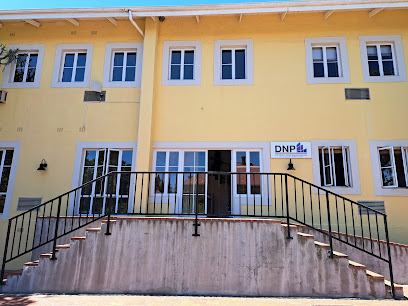
De Villiers Neethling Bourek is a Quantity surveyor establishment in Oudtshoorn, Western Cape, South Africa
Oudtshoorn
Western Cape
South Africa
Sorry, no records were found. Please adjust your search criteria and try again.
Sorry, unable to load the Maps API.
Quantity Surveyor Services in Oudtshoorn, Western Cape
In Oudtshoorn, a town renowned for its drought-resilient infrastructure needs and growing development projects, quantity surveyor services are typically engaged to manage costs from inception to handover. The role focuses on financial control, accurate measurement, and prudent project procurement to protect value while supporting timely delivery. Clients ranging from private developers to public sector projects may rely on these professionals to translate design intent into measurable quantities, credible budgets, and transparent financial reporting.
Core offerings commonly encompass cost planning and estimation, from early feasibility assessments through to the development of a detailed budget aligned with the client’s brief and funding constraints. A quantity surveyor prepares provisional and final cost plans, assesses potential savings, and identifies value engineering opportunities without compromising quality or function. This careful balancing acts as a safeguard against scope creep and unforeseen changes that may affect the project’s viability.
During the procurement phase, the quantity surveyor generates Bills of Quantities or schedules of rates, enabling competitive tendering and enabling fair comparison across bids. Tender analysis and recommendations help clients select suitable contractors while addressing risk, quality, and delivery prospects. The professional may advise on procurement routes appropriate to the project, such as traditional tendering, design-and-build, or other locally prevalent approaches, ensuring compatibility with South African construction practices.
Contract administration is a pivotal aspect, with ongoing measurement of work completed, assessment of variations, and certification of interim payments. Regular cash-flow forecasting and cost reporting keep stakeholders informed about budget status, projected final cost, and anticipated overruns. The quantity surveyor also monitors contractual risk, clarifies entitlement for changes, and maintains a documented audit trail for financial accountability.
Specialist attention is often given to cost control across the project lifecycle. This includes risk management, where potential price fluctuations in materials and labour are considered, along with contingency planning. In Oudtshoorn’s context, where site access, logistical considerations, and climate-related factors can influence schedules, effective cost management helps ensure projects proceed with fewer financial surprises while respecting local conditions.
Practical deliverables typically include detailed cost plans, quantified measurements, progress reports, and final accounts. Communication with designers, contractors, and clients is essential, emphasising clarity in scope definitions, change procedures, and payment schedules. The quantity surveyor’s role extends to coordinating with other professionals, such as architects, engineers, and traffic consultants, to align financial control with technical and regulatory requirements.
Clients in Oudtshoorn can expect a professional to provide independent, objective financial guidance grounded in established industry practices. While specific tools, platforms, or price lists vary, the overarching objective remains the same: to manage cost and value, support informed decision-making, and promote successful project outcomes within the Western Cape’s regional market dynamics.
Typical engagements may begin with an initial cost feasibility assessment, followed by ongoing cost management throughout design development, construction, and facility handover. A well-structured engagement aligns measurement protocols, contract administration, and reporting with the project’s milestones, ensuring stakeholders have timely visibility into financial performance and risk exposure.
- Cost planning and budgeting
- Quantities, Bills of Quantities, and rate schedules
- Tender analysis and procurement advice
- Contract administration and interim valuation
- Final account and project close-out